Vietnamese kids content education: Why it is growing now
"The digital landscape for young audiences is shifting toward structured learning through engagement."
The Vietnamese kids content education market is rapidly evolving through specialized creators who blend entertainment with developmental milestones. This guide explores how creators build structured kids content to provide lasting educational value for young viewers.
Why is Vietnamese kids content education growing?
As evening falls in the living room, a child leans forward to touch the warm screen while watching a colorful vietnamese animation.

A bright screen illuminates a living room as a child watches a colorful animation designed to teach basic phonics. This rising interest in Vietnamese kids content education shows parents are shifting toward digital tools that offer more than just passive viewing.
The surge in demand comes from a desire for localized language learning and cultural familiarity. Parents often seek out specific channels to ensure the pacing and tone are appropriate for early childhood development. This shift necessitates a more purposeful approach to production.
A well-structured channel can act as a digital tutor, guiding children through social cues and basic logic. By focusing on these areas, creators transform simple videos into meaningful learning sessions. This ensures that screen time serves a constructive purpose in a child's daily routine.
How to develop systematic kids media?
A creator sits at a desk, carefully sketching out a storyboard that balances bright colors with clear, slow-paced dialogue. Developing systematic kids media requires a balance between sensory stimulation and cognitive load management to keep young minds engaged without overstimulation.
The first step is defining a clear pedagogical goal for every video segment. Creators must decide whether a specific episode focuses on vocabulary, motor skills, or social-emotional learning. This prevents the content from becoming a random collection of clips.
The second step involves creating repeatable visual and auditory motifs. These recurring elements help children recognize the structure of the lesson, making the learning process more predictable and comforting. Familiarity is a key component of successful early childhood engagement.
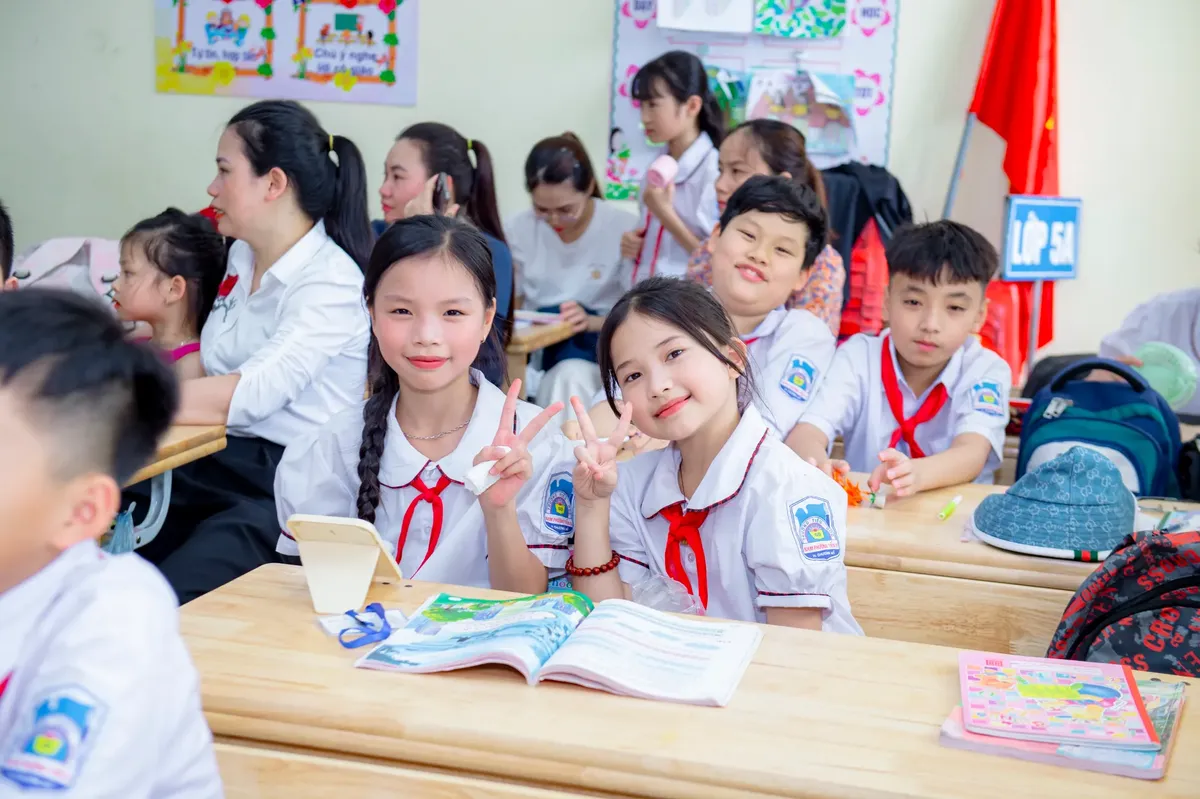
The third step is the implementation of interactive pauses. By leaving space for a child to answer a question or mimic a movement, the creator turns a passive viewing experience into an active participation exercise. This engagement is vital for retention.
I remember watching a creator organize a series of nursery rhymes into a logical progression of tempo and rhythm to teach timing. This methodical approach ensures that the content remains coherent over long-term viewing.
What are the benefits of an educational kids channel?
A tablet rests on a wooden table, playing a video where a cartoon character asks the viewer to find a hidden shape. Utilizing an educational kids channel allows families to integrate learning into natural downtime through purposeful storytelling.
An educational kids channel provides a structured environment where children can practice skills in a safe, controlled setting. This consistency helps build confidence as children master new concepts through repetition. It bridges the gap between play and formal schooling.
The value lies in the ability to target specific developmental windows. Well-timed content can reinforce what is being taught in a classroom or provide supplementary skills that are contextually relevant to the child's environment. This makes the media a valuable resource for modern families.
Effective channels also teach digital literacy in a subtle way. By interacting with structured narratives, children learn how to follow instructions and engage with digital interfaces responsibly. This prepares them for a more complex technological future.
How to create a structured kids content plan?

An empty notebook lies open next to a laptop, waiting for the next series of character arcs and lesson plans to be drafted. A structured kids content plan serves as the backbone for any creator looking to build a sustainable and impactful brand.
- Identify the core age group and their specific developmental needs. A toddler requires different pacing and visual complexity than a school-aged child. 2. Develop a recurring cast of characters that children can bond with. These characters act as guides through the educational journey, providing a sense of continuity. 3. Map out a curriculum-based content calendar. This ensures that topics are introduced logically, moving from simple to complex concepts over time.
One must always perform a final check to ensure the content does not exceed the cognitive limits of the target audience. Overly complex plots or rapid cuts can lead to frustration rather than learning.
A successful plan must also account for the diversity of learning styles. Some children learn through visual cues, while others respond better to auditory repetition. A balanced plan addresses these different needs through varied media techniques.
What are the essential tips for kids life learning?
A parent watches from the doorway as their child mimics the hand gestures of a character on the screen. Integrating kids life learning into digital media means teaching practical, real-world skills through imaginative play and storytelling.
Effective content focuses on life skills such as hygiene, politeness, and emotional regulation. These topics are often more engaging to children when presented through relatable characters and catchy, repetitive songs. It turns routine tasks into fun challenges.
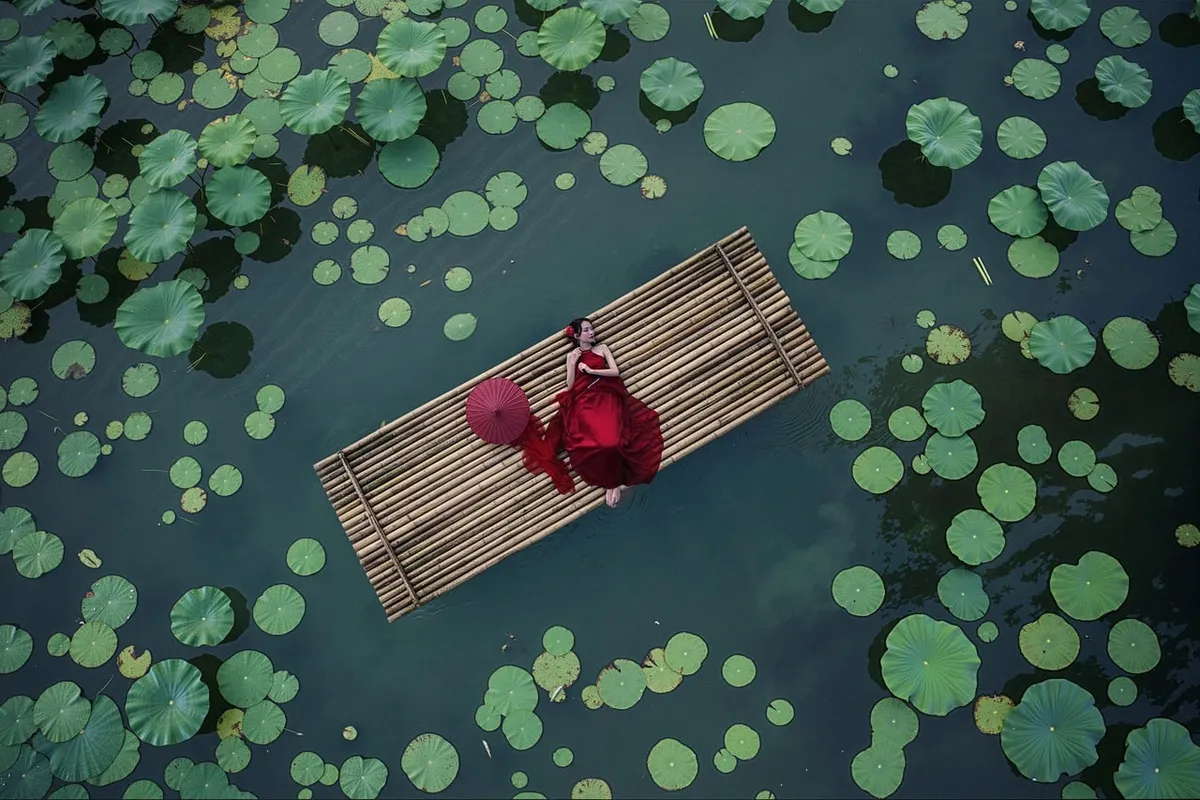
The goal is to make the lessons applicable to the child's immediate environment. When a character brushes their teeth or cleans up toys, it provides a direct model for the child's own daily life. This makes the digital experience relevant to the physical world.
Content should also encourage curiosity and questioning. By presenting problems that need solving, creators prompt children to think critically and apply what they have learned. This builds a foundation for lifelong problem-solving skills.
- Why is Vietnamese kids content education growing?
- How to develop systematic kids media?
- What are the benefits of an educational kids channel?
The same subject is also called Kids content value.
This part also covers How to make kids content.
This part also covers Best kids education blogs.
Related







Comments 0