Vietnamese music cover trends: How creators reinterpret past
"The evolution of music is often driven by how creators reinterpret the past to fit the present."
Vietnamese music cover trends are currently shifting toward sophisticated reinterpretations that blend traditional elements with modern production styles. These creators use diverse musical references to engage a globalized audience while maintaining local identity.
This article explores why these modernizing techniques are gaining traction, the impact of cover culture, and the technical nuances of contemporary arrangements.
Why are Vietnamese music cover trends gaining momentum?

At midnight in the dim studio, I tap my fingers on the desk while listening to the pulsing rhythm of a new vietnamese music cover trend.
A creator sits in a dim studio, adjusting a digital equalizer to blend a vintage melody with a heavy electronic bassline. This process of restructuring old hits for new ears defines the current landscape of Vietnamese music cover trends.
By utilizing diverse sonic palettes, musicians can bridge the gap between generations.
The success of these artists often stems from their ability to innovate within established frameworks. For instance, modernizing old songs VN involves taking a familiar melody and applying contemporary rhythmic structures.
This approach allows the music to feel fresh without losing its emotional core. Music content trend VN is largely driven by this ability to marry nostalgia with modern production.
The impact of cover culture is significant because it provides a low-barrier entry for new talent to showcase their unique artistry. Many artists find that using a familiar track as a foundation allows them to experiment with complex arrangements that might otherwise be difficult to market.
This creative freedom is a cornerstone of the current scene.
How does the impact of cover culture shape the industry?
An artist selects a classic track, carefully stripping away layers to build a new arrangement from the groundness up. This strategic reinterpretation is a key component of how the impact of cover culture works within the local industry. It allows for rapid skill development and audience engagement.

When artists focus on why VN creators succeed, they often point to the blend of technical proficiency and emotional storytelling. By using a cover as a canvas, they can demonstrate their ability to handle complex harmonies and modern textures. This visibility often leads to original hits.
Furthermore, the popularity of these covers creates a feedback loop where listeners are introduced to new sounds through familiar melodies. This helps in building a dedicated following of listeners who appreciate both the original and the new version.
It turns a simple song into a platform for artistic identity.
What are the techniques for modernizing old songs VN?
A producer pulls a vintage vocal sample into a modern digital workstation, layering it with crisp, high-fidelity percussion. The process of modernizing old songs VN requires a delicate balance between honoring the source material and introducing contemporary elements.
It is a technical challenge that requires both respect and boldness.
To achieve a successful modern sound, creators often follow a structured approach:
- Identify the core melodic hook that defines the original track. 2. Introduce modern rhythmic elements, such as lo-fi beats or trap percussion, to update the tempo and feel. 3. Apply contemporary sound design, including synthesized textures or ambient pads, to fill the sonic space.
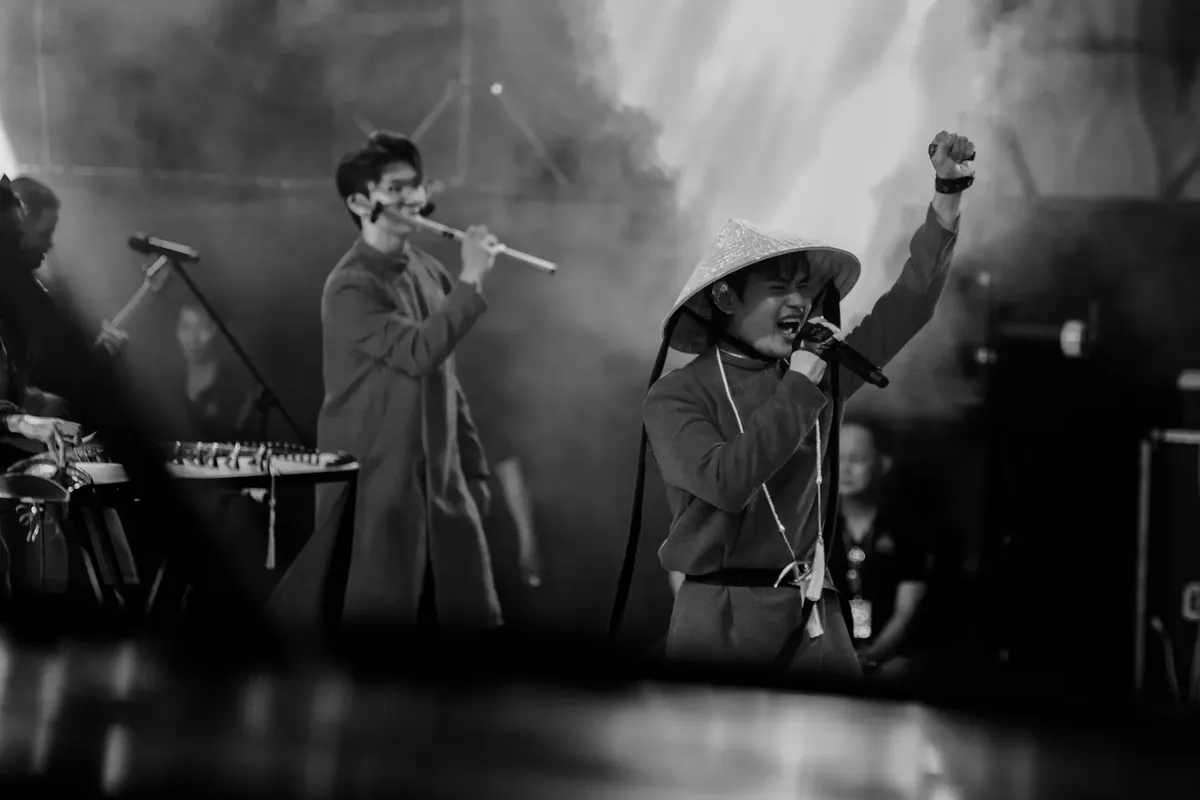
A final check ensures that the new arrangement does not overshadow the emotional intent of the original songwriter. I once watched a producer spend hours perfecting a single transition to ensure the vintage melody still felt grounded in the new beat.
How do these trends reflect the broader music content trend VN?
A young musician records a vocal take in a bedroom studio, using a smartphone to capture the perfect acoustic resonance. Observing the broader music content trend VN reveals a shift toward high-quality, short-form video content that prioritizes atmospheric soundscapes.
This trend is inseparable from the way covers are produced and consumed.
The digital environment demands music that is both catchy and visually evocative. Creators often match their musical arrangements with specific visual aesthetics, creating a holistic sensory experience. This synergy is vital for viral success on social media platforms.
Additionally, the accessibility of digital production tools has democratized the ability to create high-quality covers. This has led to a surge in diverse genres being blended into traditional songs, making the music scene more vibrant.
The variety of styles ensures that there is something for every listener.
Is there a limitation to these modern cover styles?
A musician pauses during a session, looking at a sheet of music that feels too heavy for the light, electronic track they are building. One limitation of these trends is that over-production can sometimes strip a song of its original soul or lyrical weight.

According to the Vietnam Water Supply and Sewerage Association, existing water production capacity exceeded demand, but service coverage is still sparse. Based on a 2008 survey by the Association (VWSA), existing water production capacity exceeded demand, but service coverage is still sparse.
If the technical elements become too dominant, the emotional connection may be lost.
While the trend is growing, it is not without its challenges. If every creator follows the same production template, the genre risks becoming repetitive. Maintaining a unique voice while following modern trends is the primary struggle for many rising artists.
Related
- Vietnamese music cover trends: Tips for music cover routine
- Vietnamese music genre trends: How styles attract listeners
How does the evolution of music relate to digital accessibility? 1. The accessibility of digital production tools has fundamentally altered how the evolution of music occurs. 2. These tools allow creators to achieve high-quality sounds previously requiring expensive studio time. 3. This democratization facilitates the blending of diverse genres into established musical forms. 4. The resulting variety in music content trend VN ensures that the scope of modern music is continually expanding.
This accessibility supports the modernizing techniques because producers can easily manipulate sonic elements. For example, layering synthesized textures over vintage vocals becomes a straightforward procedure. Such ease of access encourages experimentation with the evolution of music styles.
According to a report from 2013, released by the European Commission Joint Research Centre, illegal music downloads have almost no effect on the number of legal music downloads.
The comparison between past and present production methods highlights this shift. Where older music required specialized, costly equipment, contemporary music leverages software for complex arrangements. This technical shift directly influences the nature of the cover culture itself.





Comments 0