8 Ways Vietnamese Food Captivates Viewers Online Today
"The steam rises from a bowl of steaming pho in a crowded Hanoi alley, mixing with the scent of star anise and rain-slicked pavement."
Watching a Vietnamese mukbang creator isn't just about seeing someone eat; it is a sensory journey through a country where flavor is a language of its own.
From the sharp acidity of a lime-drenched salad to the deep, fermented funk of premium fish sauce, these videos offer a window into a culture that prizes freshness and balance above all else.
Key Takeaways: * Vietnamese mukbang is a blend of regional culinary exploration and modern lifestyle storytelling. * Creators act as cultural ambassadors, showcasing the transition from traditional street food to high-end dining.
* The appeal lies in the sensory-heavy production, authentic ingredients, and the relatable personalities of the hosts.
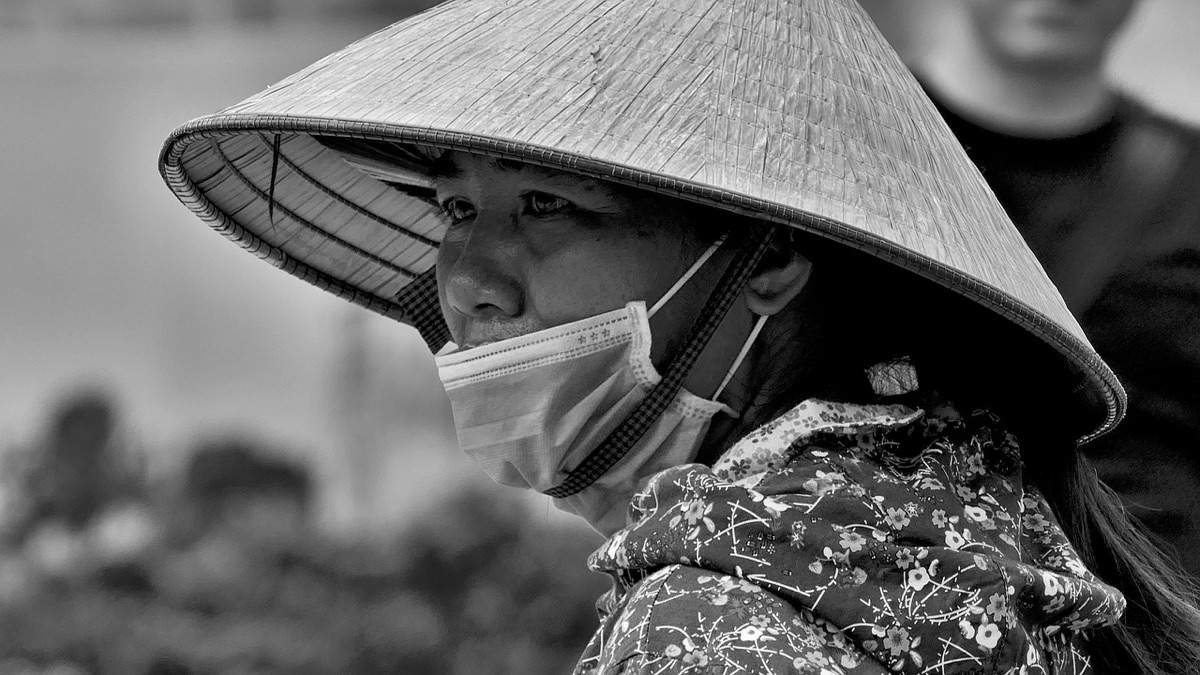
Why is Vietnamese food so captivating to watch? A heavy rainstorm hits a rooftop in Ho Chi Minh City, and the sound of water hitting corrugated metal provides a rhythmic backdrop to a steaming plate of Bun Cha. The creator reaches for a bundle of fresh mint, carefully tucking it into a bowl of dipping sauce before taking that first, perfect bite.
The culinary spectrum of Vietnam is vast, making it a goldmine for visual storytelling. In the North, you often see more subtle, savory profiles that lean heavily on black pepper and traditional techniques.
In 2025, as digital food trends shifted toward high-definition textures, these subtle nuances became even more vital for visual engagement.
Moving South, the flavors explode with sweetness and a much higher frequency of coconut milk and chili. This regional tug-of-war keeps viewers coming back to see how a single ingredient, like lemongrass, might be treated differently in Hue versus Da Nang.
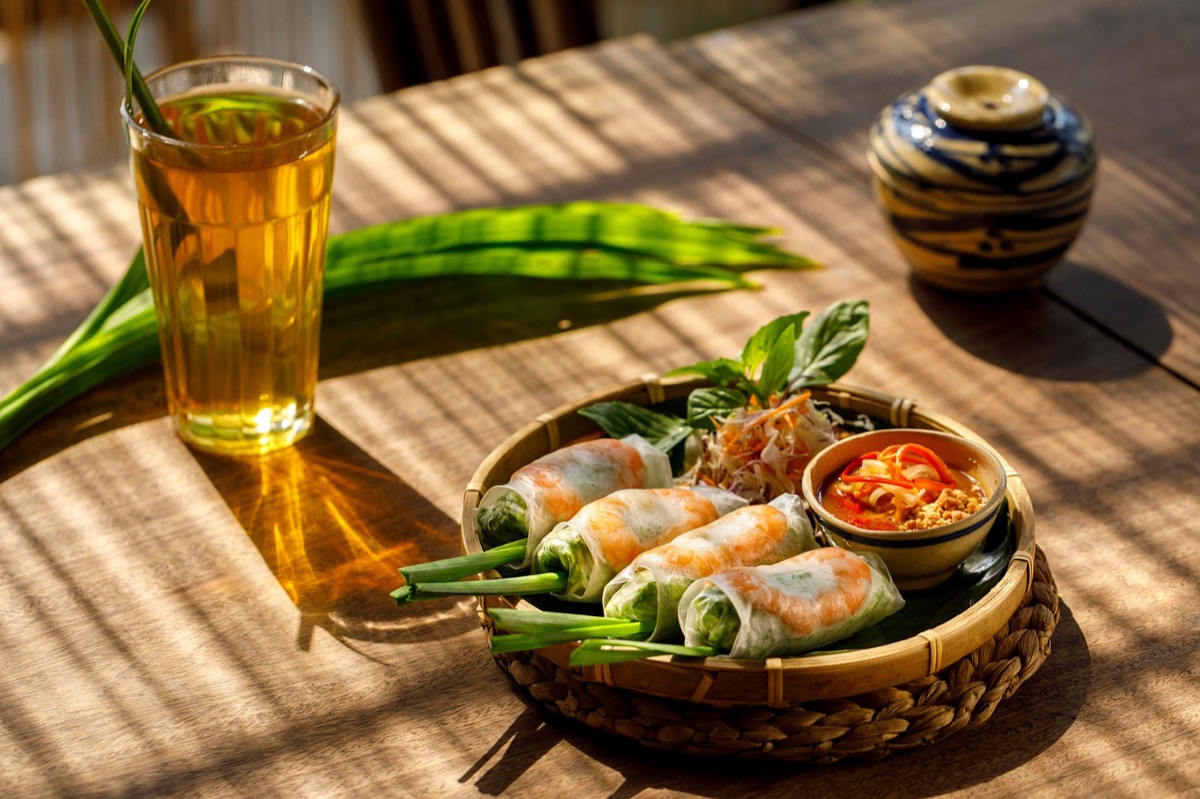
The visual appeal is anchored by a constant presence of vibrant colors—the bright red of bird's eye chilies, the deep green of cilantro and basil, and the translucent white of rice noodles.
Because much of the cuisine relies on fresh produce, the colors pop on high-definition screens, making the "mukbang" aspect visually stimulating.
The ritual of eating is also central. Whether it is the meticulous assembly of a Banh Mi or the communal dipping of various proteins into a shared sauce, the process of preparation is often as engaging as the eating itself.
This focus on the "build" of a dish creates a satisfying narrative arc in every video. But why does this visual feast translate so well to a global audience?
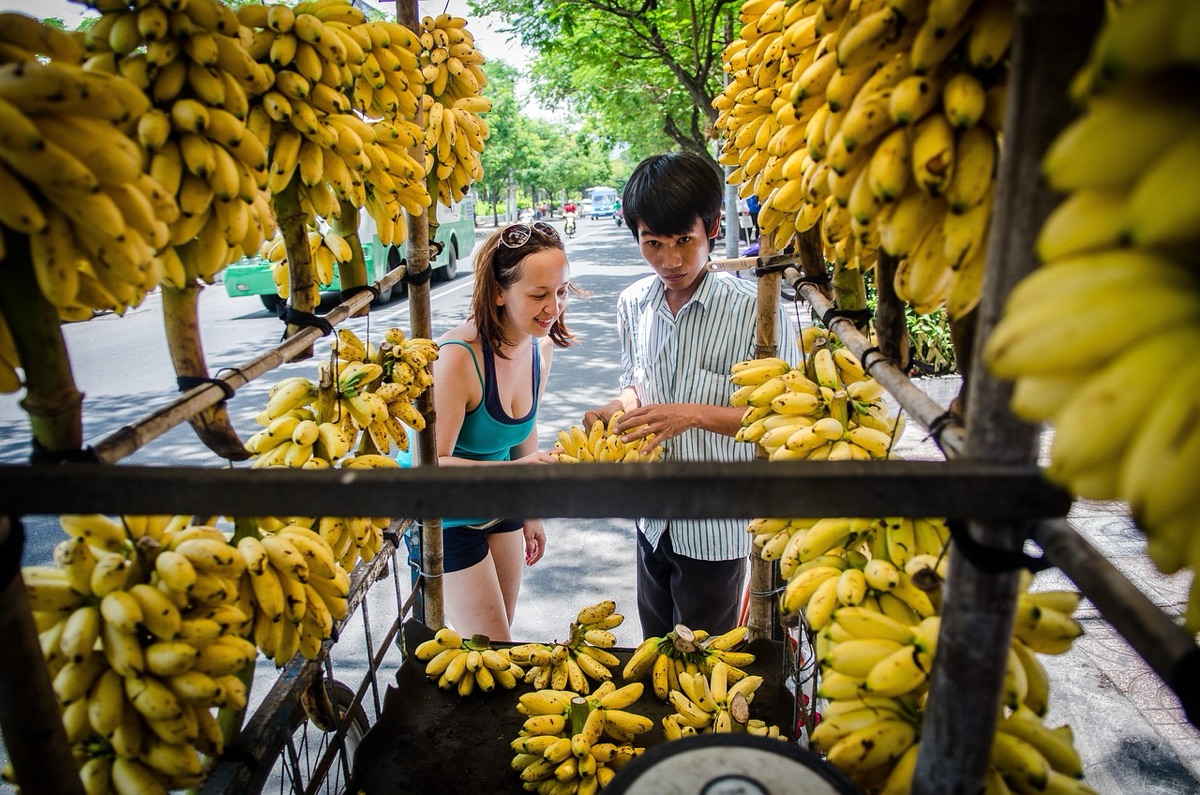
How can I immerse myself in the lifestyle and culture? The sun begins to set over a bustling street market in Da Nang, where the neon signs flicker to life and the smell of grilled pork skewers fills the air. In the current 2026 landscape, these digital windows serve as a primary way many people experience foreign cultures.
According to World Bank, Vietnam recorded agricultural land share of 39.2% in 2023.
A creator walks through the crowd, camera in hand, navigating the narrow aisles of a local wet market before settling at a plastic stool for a meal. These videos are rarely just about the food; they are about the setting.
A creator filming in a quiet, minimalist apartment in Hanoi offers a glimpse into the rising middle class and modern urban life.
In contrast, a creator filming amidst the chaos of a street food stall provides a raw, energetic look at the heartbeat of Vietnamese social life. The setting acts as a secondary character, telling a story of urbanization, tradition, and the constant movement of the people.
The transition from traditional to modern is a recurring theme. You might see a creator visiting a century-old noodle shop in one video and a high-end fusion restaurant in the next.
This reflects the real-world duality of Vietnam—a country deeply rooted in its history but sprinting toward a high-tech, globalized future.
While some might question the "performance" aspect of YouTube, there is a delicate balance between staged content and genuine cultural portrayal.
The most successful creators manage to maintain a sense of authenticity, ensuring that even when a setting is chosen for aesthetic reasons, the respect for the food and the local customs remains intact.
But how does a person sitting behind a camera actually build a connection with millions of strangers?
The Creator Persona: Why Do Viewers Connect?
A quiet studio setting is illuminated by a soft ring light, reflecting in the eyes of a creator as they prepare to try a particularly spicy soup. They look directly into the lens, sharing a small joke about their spice tolerance before the first spoonful disappears.
The connection between the viewer and the host is often built on relatability. Some creators are the "adventurous explorers," taking viewers to remote highland villages to try ethnic minority dishes.
Others are the "serene hosts," providing a calming, ASMR-style experience that focuses on the sounds of crunching vegetables and bubbling broth.
When I first started following these creators in late 2025, I was struck by how much I felt I knew their personalities through a simple bowl of noodles. They don't just eat; they explain.
They might describe the specific fermentation process of a shrimp paste or the history of a certain noodle shape.
This educational element bridges the gap for international viewers who might find the ingredients intimidating or unfamiliar. Engagement is also a key driver.
Through live streams or interactive social media posts, creators often take suggestions from their audience, such as "try this specific street snack" or "combine these two unusual ingredients."
This turns the act of eating into a collaborative adventure between the host and the global audience. However, as the audience grows, so does the business behind the scenes.
Navigating the Digital Landscape: Business & Growth
The hum of aกัน computer fan in a darkened editing suite competes with the late-night sounds of a sleeping city. A creator scrolls through a spreadsheet of video analytics, looking at the engagement spikes that occurred during a recent seafood feast.
The transition from casual vlogging to professional content creation has been rapid. What started as simple phone-recorded meals has evolved into high-production-value productions involving professional lighting, high-fidelity microphones for ASMR, and complex editing.
This scaling up is necessary to survive in a competitive global market.
Monetization for these creators is multifaceted. While ad revenue from views is a staple, sponsorships from food brands, kitchenware companies, and travel agencies provide significant support.
Some creators also leverage their influence to launch their own product lines, such as bottled sauces or branded cookbooks.
To maintain a global reach, creators often use English subtitles or visual storytelling that transcends language barriers.
By focusing on the universal language of food—the textures, the colors, and the expressions of satisfaction—they attract fans from the United States to Europe and beyond, all while staying deeply rooted in their local identity.
But what happens when the content moves beyond the plate and into the wider world?
Beyond Mukbang: The Wider Ecosystem
A wide shot captures a creator standing on a balcony overlooking a lush, green valley, far from the city streets. They are no longer just eating; they are traveling, exploring the landscapes that produced the ingredients they once ate on screen.
The trend of diversification is the next logical step for the industry. Many top-tier food creators are expanding into travel vlogging, lifestyle content, and even cooking classes. This prevents "viewer fatigue" and allows the creator to build a more holistic brand.
A food lover becomes a lifestyle icon, moving from the plate to the entire experience of living in or visiting Vietnam.
These influencers also have a profound impact on local economies. A single video featuring a hidden gem of a restaurant in Hue can result in a surge of domestic and international tourists visiting that specific location.
They act as unofficial tourism ambassadors, often highlighting regions that are overlooked by traditional travel agencies.
However, this influence comes with pressures. The constant need for "the next big meal" or a more extreme food challenge can lead to burnout or a loss of authenticity.
The challenge for the future of the genre is maintaining that original spark of genuine culinary curiosity while meeting the growing demands of a massive digital audience.
Comparison of Content Styles
| Feature | Street Food Vlogger | Gourmet/Aesthetic Creator |
|---|---|---|
| Primary Focus | Energy, local atmosphere, cheap eats | Visual beauty, high-end ingredients, plating |
| Pacing | Fast, loud, chaotic, energetic | Slow, methodical, often ASMR-leaning |
| Viewer Goal | To feel the "pulse" of the city | To experience luxury or culinary art |
| Typical Setting | Outdoor markets, sidewalk stools | Minimalist studios, upscale restaurants |
How to Watch Like a Pro: A Step-by-Step Guide
If you are new to following Vietnamese food creators, follow this progression to get the full experience:
- Start with Street Food Vlogs: Begin with creators who focus on the hustle of city life to understand the foundational flavors of the country.
- Explore Regional Specialists: Once you know the basics, look for creators who focus specifically on Northern or Southern specialties to see the nuances.
- Transition to ASMR/Aesthetic Content: For a more relaxing experience, try the high-production, quiet eating videos to appreciate the textures of the food.
- Follow Travel-Food Hybrids: Finally, watch creators who combine food with travel to see how ingredients connect to the geography and culture of Vietnam.
#






Comments 0