Vietnamese home cooking tips: Guide to fresh ingredients
"The heart of a kitchen is not found in professional equipment, but in the balance of fresh ingredients and the warmth of a home-cooked meal."
Mastering Vietnamese home cooking tips allows anyone to recreate authentic flavors without needing a professional kitchen. This guide explores how to select the right ingredients and follow practical preparation methods to bring the essence of Vietnam to your dining table.
You will learn about ingredient selection, basic preparation steps, and how to manage flavors, while noting that authenticity often depends on the seasonal availability of fresh herbs.
How to start with Vietnamese cooking tips?
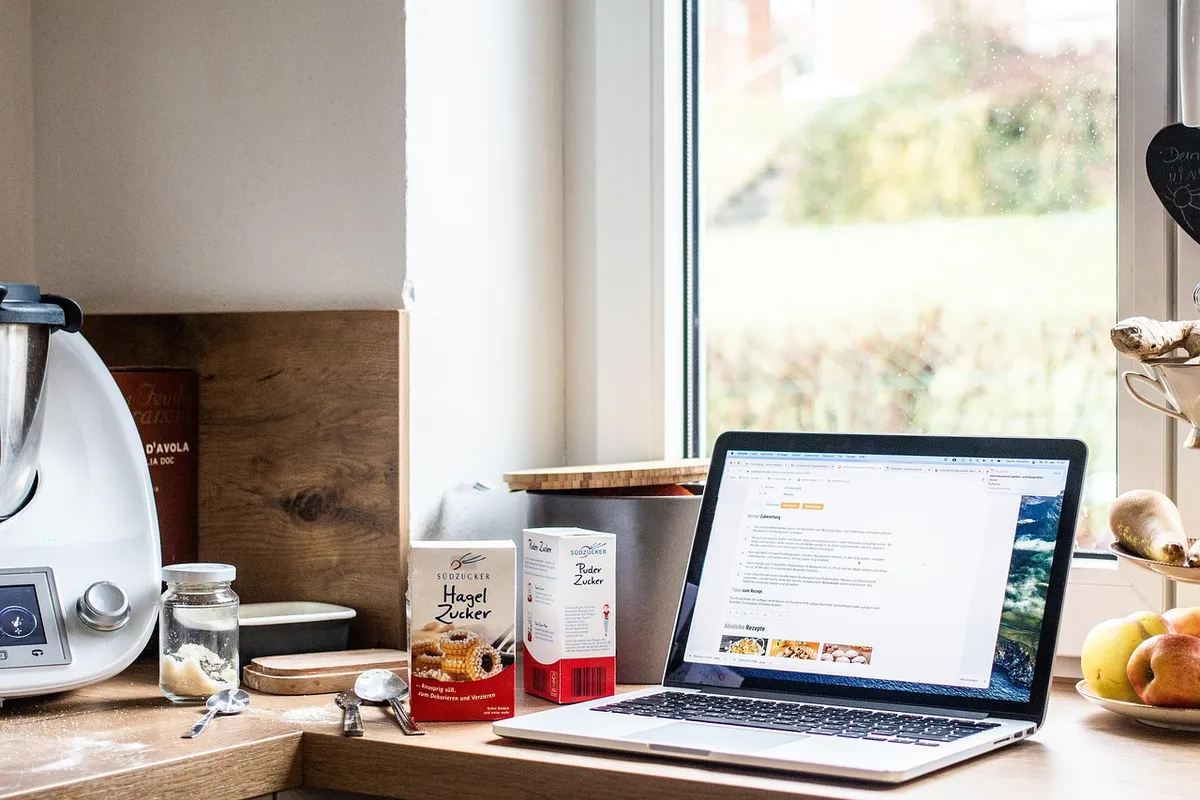
At noon in the sunny kitchen, I carefully chop lemongrass to begin learning essential vietnamese cooking tips.
A person stands in a bright kitchen, carefully washing a bunch of fresh cilantro and mint under a stream of cool water. To begin your journey, focus on the fundamental balance of salty, sweet, sour, and spicy flavors that define the cuisine.
According to statistics from the Vietnam National Administration of Tourism, in 2022, Vietnam had a total of 32,313 accommodation establishments with 611,352 rooms, including 1,576 hotels with three stars or higher with 334,487 rooms.
The most important aspect of Vietnamese home cooking tips is understanding the role of fish sauce and fresh aromatics. You should prioritize high-quality fish sauce as the salty base for most savory dishes.
Fresh herbs like basil, mint, and cilantro provide the necessary brightness to cut through richer flavors.
- Focus on balancing the four essential flavors: salty, sweet, sour, and spicy.
- Build a pantry with high-quality fish sauce, rice vinegar, and aromatics like lemongrass.
- Practice simple techniques like stir-frying and herb-garnishing before moving to complex broths.
What are the best easy Vietnamese recipes for beginners?
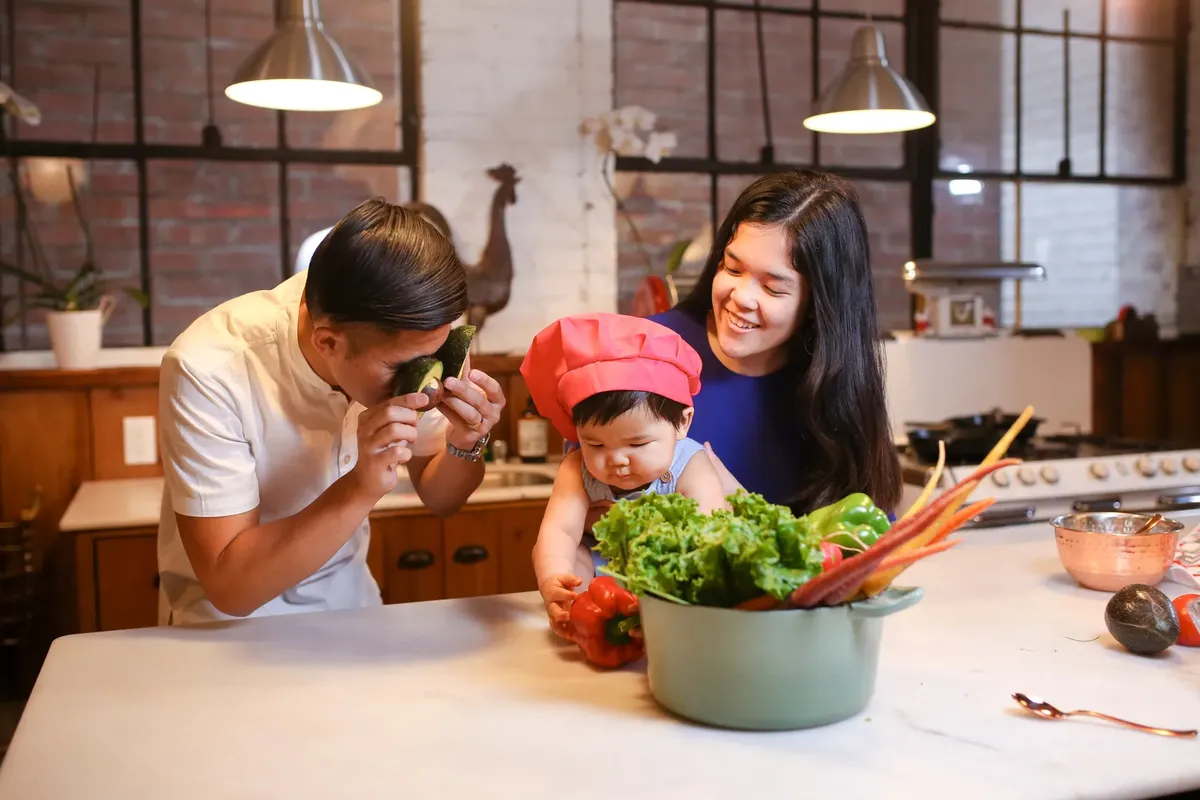
While standing in the kitchen this evening, I smile as I taste the bright flavors of my first easy vietnamese recipes.
A cook carefully slices cucumbers and carrots into thin strips, preparing a refreshing side for a noodle dish. For those just starting, simple recipes that rely on assembly rather than complex techniques are ideal.
Effective easy Vietnamese recipes often center around noodle salads or quick stir-fries that utilize fresh vegetables. These dishes allow you to practice balancing acidity from lime with the saltiness of seasoned proteins.
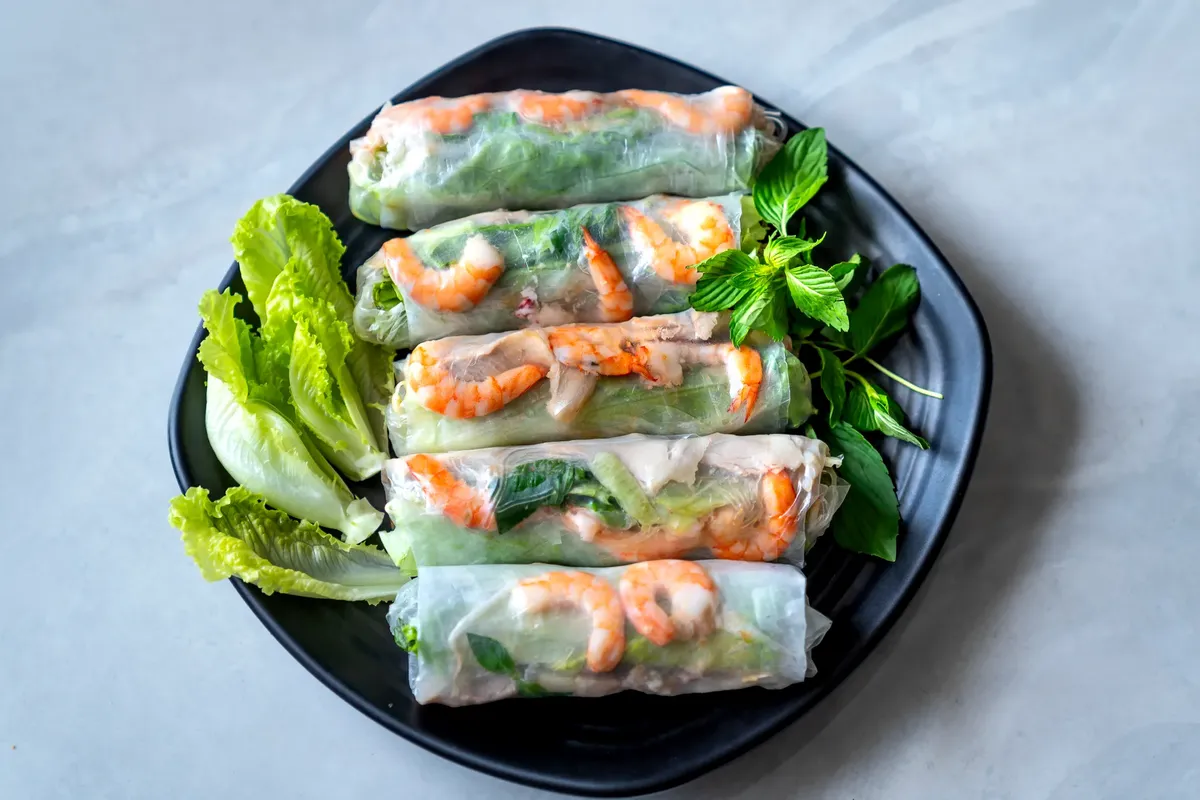
Using rice paper or vermicelli noodles provides a versatile base for many beginner-friendly meals.
Start with classics like Banh Mi, which requires minimal cooking, or Bun Cha, which relies on flavorful grilling. Simple noodle salads and savory rice bowls are also excellent entry points for those new to the cuisine.
How to master home cooking hacks for authentic flavor?
A hand reaches for a mortar and pestle, rhythmically crushing garlic and chilies into a fragrant paste. Incorporating smart home cooking hacks can significantly elevate the depth of your homemade meals.
One useful method involves preparing a versatile dipping sauce, or nuoc cham, in large batches to use across different meals. Another trick is to lightly toast spices or aromatics to release their essential oils before adding them to a pot.
These small adjustments ensure that your home-cooked food tastes vibrant and intentional.
To elevate your dishes, always toast your spices lightly to release essential oils and use fresh aromatics like ginger and garlic in every meal. A common trick is to balance heavy savory notes with a squeeze of lime or a sprinkle of fresh herbs right before serving.
Which Vietnamese ingredient guide should I follow?
A shopper inspects a bright red chili and a firm lime at a local market, checking for freshness. Following a clear Vietnamese ingredient guide helps you navigate the grocery store with confidence.
Focus on sourcing fresh aromatics such as lemongrass, ginger, and garlic to create the aromatic foundation of your dishes. High-quality rice and various types of noodles are essential staples that should be kept well-stocked.
For a truly authentic touch, look for specific regional varieties of dried shrimp or fermented pastes.
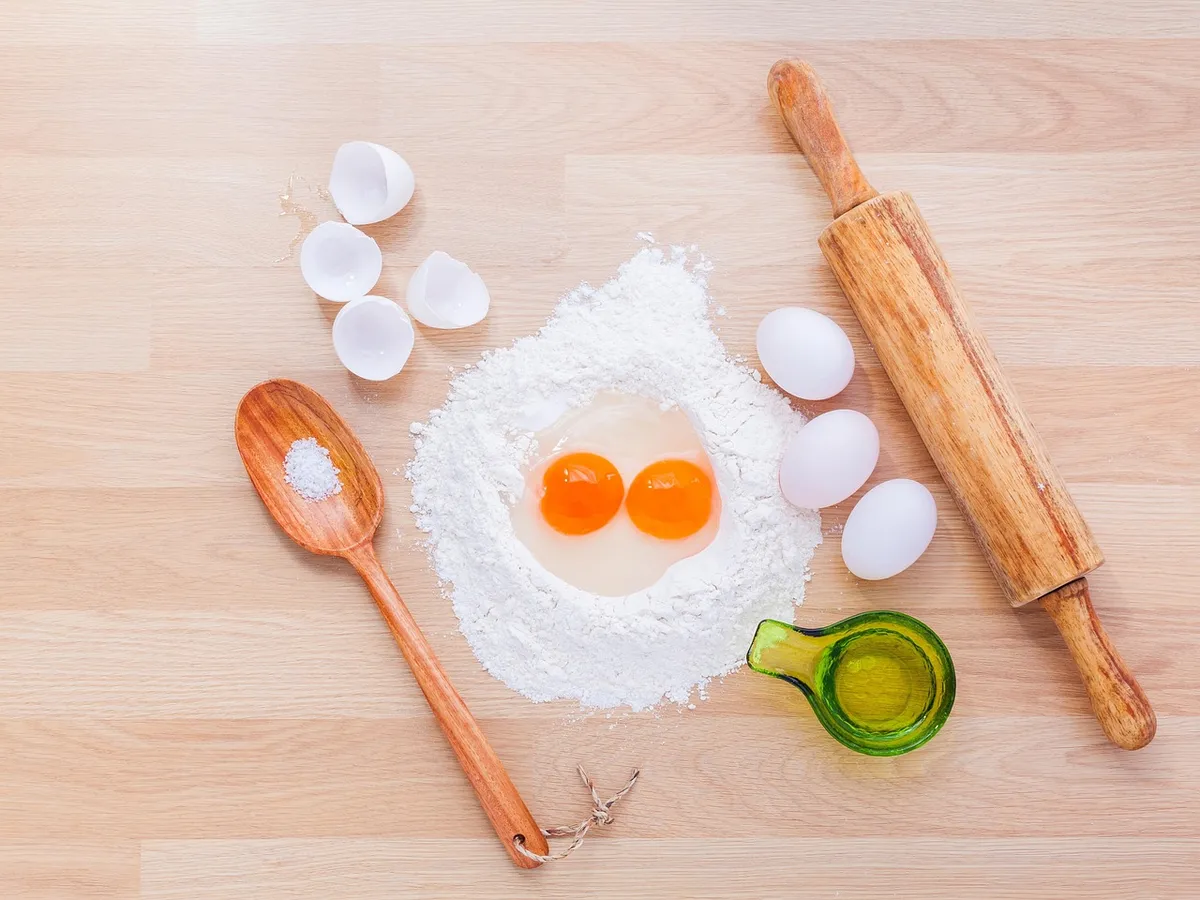
Prioritize fresh herbs like cilantro, mint, and Thai basil, alongside staple pantry items like jasmine rice, fish sauce, and rice paper. Understanding the difference between various types of rice noodles and dried spices will also help you navigate the grocery store effectively.
Can I use simple meal prep ideas for Vietnamese food?
A person neatly divides portions of cooked rice and sautéed vegetables into airtight containers for the week ahead. Utilizing simple meal prep ideas can make maintaining a healthy, flavorful diet much easier during a busy week.
You can prepare protein components, like braised pork or marinated tofu, in advance to be quickly added to noodles or rice. Pre-washing and drying herbs can extend their freshness, making them ready for immediate use in salads or garnishes.
Preparing a large batch of pickled vegetables provides a crunchy, acidic element that stays good in the refrigerator for several days.
Yes, you can prepare large batches of protein, such as lemongrass pork or braised tofu, to use throughout the week. Keep your herb garnishes and noodle bases separate to maintain freshness when assembling bowls for lunch.
How to achieve the best Vietnamese dishes at home?
A family sits around a wooden table, steam rising from a large bowl of soup as they share a meal. Achieving the best Vietnamese dishes at home requires a blend of patience and respect for traditional flavor profiles.
| Method | Focus Area | Result |
|---|---|---|
| Freshness | Herbs and Vegetables | Bright, clean taste |
| Balance | Salt, Sweet, Sour, Spicy | Complex, layered depth |
To succeed, follow these three steps:
- Select the freshest seasonal produce and proteins available to your local market. 2. Prepare your aromatics and sauces before you begin the primary cooking process. 3. Taste your food frequently during the cooking process to adjust the seasoning balance.
Always perform a final check by tasting the dish with the intended garnish to ensure the acidity and salt levels are perfectly aligned. I found that adjusting the lime juice at the very end often makes the biggest difference in brightness.
A limitation of these methods is that the specific flavor profiles may vary significantly depending on the seasonal availability of regional herbs.
The secret to great Vietnamese food lies in the quality of ingredients and the harmony of flavors. Always use fresh produce, season thoughtfully with fish sauce, and never skip the final touch of fresh herbs to provide brightness to your meals.
Related
- Vietnamese fashion tips: Breathable fabrics guide for style
- Vietnam vlog educational value: Why economic shifts appear
How does the kitchen environment affect flavor?
A person organizes their workspace, ensuring all ingredients are within reach before starting a recipe. The heart of a kitchen depends on how you manage the relationship between fresh ingredients and heat.
When you prepare meals, you must compare the saltiness of fish sauce against the acidity of lime to find the right balance. If a dish lacks brightness, you can add fresh herbs or more lime juice to correct the profile.
You should also be cautious of seasonal changes, as the availability of certain herbs can alter the expected flavor.
What precautions should I take with ingredient preparation?
An individual carefully separates wet ingredients from dry ones to maintain texture. To ensure success, you must follow specific preparation steps to maintain the integrity of the food.
- Wash and dry herbs thoroughly before storing them to prevent wilting. 2. Prepare aromatics like garlic and ginger before starting the main cooking process. 3. Toast spices lightly to release oils before they enter the pot.
Always compare the final taste to your intended flavor profile by testing the dish with its garnish. You should also note that the saltiness of your fish sauce will dictate how much lime or sugar you need to add for balance.




Comments 0