Vietnam land share of 39.2% guide rural animal feeding
"The connection between a human hand and a gentle animal snout in a quiet field defines the true essence of rural exploration."
This guide provides essential tips for Vietnam rural animal feeding, focusing on safe interaction with livestock and local fauna. You should prepare by using provided farm feed, maintaining a calm demeanor, and respecting animal boundaries to ensure a meaningful eco-experience.
Note that specific feeding availability depends entirely on the individual farm's current livestock and seasonal conditions.
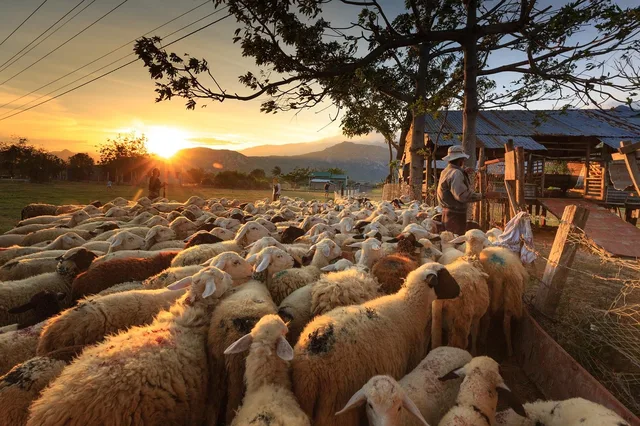
* Use only designated farm-provided feed. * Approach animals slowly from the side. * Keep hands low and steady. * Respect the physical space of the animals.
How can I start Vietnam rural animal feeding?
During the afternoon, I walk slowly through a dusty pen in Vietnam while feeling the heavy weight of the grain bag against my shoulder.
At dawn, I walk through a misty meadow in Vietnam and feel the damp chill against my skin.
Walking through a sun-drenched meadow, I feel the soft grass beneath my boots as I approach the wooden gate of a local farm. To start feeding animals on a Vietnam rural eco tour, you must first find a managed eco-farm that provides supervised interaction with their animals.
According to World Bank data, Vietnam recorded agricultural land share of 39.2% in 2024. This vast agricultural landscape provides the perfect setting for these rural encounters. You should ask the farm manager for the specific types of animals available for interaction that day.
Once you receive the approved feed, move toward the enclosure with slow, predictable movements to avoid startling the creatures.
- Visit a local farm during early morning hours to observe feeding routines.
- Ask the farmer for permission and inquire about appropriate food types.
- Offer small amounts of approved feed to ensure the animals are comfortable.
How can I best interact with local animals?
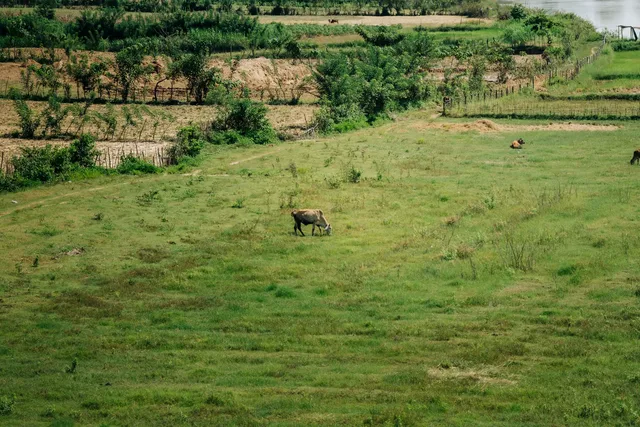
At dusk, I reach out a steady hand toward a curious goat in a quiet field in Vietnam and feel the warmth of its breath. Standing near a rustic fence, I watch a small goat tilt its head curiously toward the bucket in my hand. When it comes to interacting with local animals, the most important rule is to let the animal set the pace of the encounter.
Avoid making sudden movements or loud noises that might trigger a flight response in the livestock. Instead, extend your hand with the feed held firmly so the animal can take it easily without accidental nips. I found that staying calm and quiet allowed the animals to approach me more naturally.
This method of Vietnam farm animal guide practice ensures that both the visitor and the animal remain comfortable during the session.
Maintain a calm demeanor and avoid sudden movements to prevent startling the livestock.
According to World Bank, the 2024 record includes 39.2%.
How can I stay safe around farm animals in Vietnam?
Holding a heavy bag of grain, I feel the weight of responsibility to ensure the safety of everyone in the pen. Following a proper Vietnam farm animal guide involves a few specific, non-negotiable steps to prevent accidents.
- Always use the specific feed provided by the farm staff to prevent digestive issues in the animals. 2. Keep your fingers tucked away from the center of the feed pile to avoid accidental bites. 3. Maintain a steady stance to ensure you do not trip or stumble near the animals.
After completing these steps, perform a final check by ensuring you have washed your hands thoroughly with soap and water to maintain hygiene.
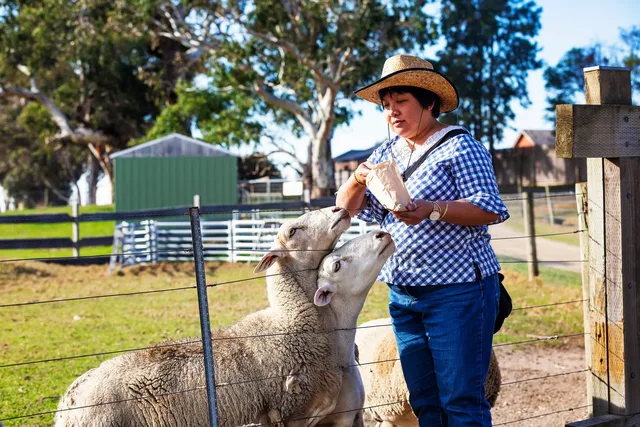
Always keep a respectful distance from larger animals like water buffalo and avoid approaching them from behind.
How do I manage Vietnam countryside wildlife encounters?
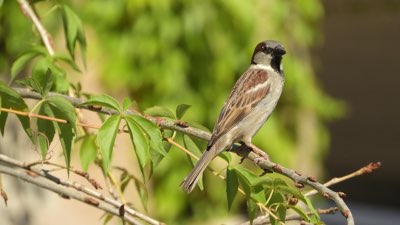
The wind rustles through the bamboo stalks as I observe a bird landing near the edge of the feeding area. While most activities focus on domestic livestock, some tours may include observing Vietnam countryside wildlife in a controlled, naturalistic setting.
Interacting with these creatures requires even more distance and silence than feeding farm animals. Do not attempt to feed wild animals, as this can disrupt their natural foraging behaviors and health. Instead, use binoculars to observe their movements from a respectful distance.
This approach respects the ecological balance of the rural environment while providing a serene viewing experience.
Give wild animals plenty of space and avoid attempting to touch or feed them.
What is the Vietnam nature animal guide for children?
A young child reaches out a small hand, eyes wide with wonder, toward a fluffy sheep in the enclosure. A successful Vietnam nature animal guide for young travelers emphasizes patience and gentle touch.
Children should be supervised at all times to ensure they do not run toward the animals or attempt to climb the fences. It is helpful to explain to them beforehand that animals like to eat from the hand and that we must be very quiet.
By teaching children to observe before they act, the farm becomes a classroom for empathy and nature appreciation.
Teach children to observe animals quietly from a distance and to always stay close to an adult.
Is there a comparison for feeding methods?
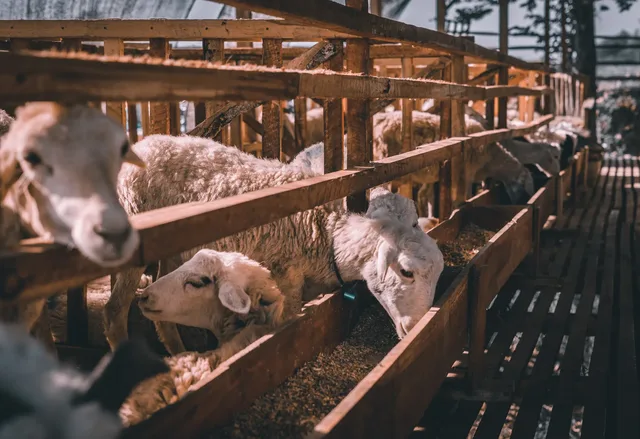
Watching the different animals react to the grain, I notice how each species has a unique way of taking food. Understanding the differences in how to feed farm animals can help you manage your expectations during the tour.
| Animal Type | Feeding Motion | Interaction Style |
|---|---|---|
| Small Livestock | Quick nibbles | High engagement |
| Large Livestock | Slow grazing | Cautious approach |
I observed how the smaller animals were much more eager to reach for the bucket compared to the larger ones.
Hand-feeding allows for closer observation, while broadcast feeding is more efficient for larger groups of animals.
What precautions should I take during the feeding process?
Taking precautions involves adhering to the specific feeding rules to maintain a safe connection between the visitor and the livestock. You must prioritize the physical space of the animals to prevent any sudden reactions.
If an animal appears startled, you should stop your movements immediately and wait for it to settle.
Comparing the feeding styles of different livestock helps you adjust your approach. While small livestock might engage with high energy, larger animals require a much more cautious approach to ensure you do not disturb their slow grazing.
This comparison allows you to tailor your movements to the specific animal type you are facing.
Always be aware that seasonal conditions can change the availability of certain animals. If the farm's livestock numbers are low due to the season, the interaction may differ from what you originally expected.
You should always confirm the current livestock status with the farm manager before you begin your walk through the enclosure.


Comments 0