Trekking fitness guide: 3000 Kcals for mountain energy
"The rhythm of the mountain is not found in the speed of the step, but in the steady breath that carries you through the incline."
A Vietnam trekking fitness routine focuses on building functional leg strength and cardiovascular endurance by navigating the country's unique, steep terrain alongside local guides.
This approach is best suited for travelers looking to enhance physical stamina while experiencing authentic cultural landscapes. Key takeaways include utilizing high-altitude adjustments, maintaining high caloric intake, and following structured movement patterns.
How can Vietnam trekking fitness improve your body?
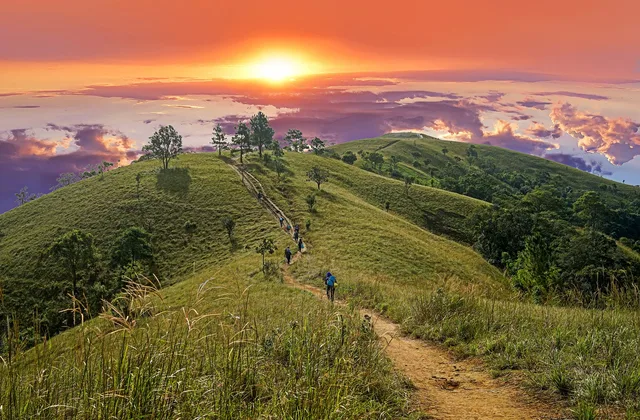
A hiker grips a bamboo walking stick while stepping over a mossy root in the misty highlands of Sapa. The damp air clings to the skin, and the scent of wet earth fills the lungs as the incline steepens.
Regular trekking at high altitude with reduced oxygen levels can influence anthropometric, cardiovascular, and blood biochemical parameters.
To support such intense physical exertion, a total daily caloric intake of 3000-3500 Kcals is noted in research contexts. This combination of environment and nutrition helps the body adapt to the strenuous demands of mountain movement.
Engaging in trekking through Vietnam's diverse terrain enhances cardiovascular endurance, strengthens core stability, and builds functional lower-body muscle density, making it an excellent way to improve your Vietnam trekking fitness.
How can I build stamina for hiking in Vietnam?
A traveler adjusts the straps of a heavy pack while watching a local guide navigate a narrow limestone ridge. The sun begins to rise over the karst mountains, casting long shadows across the valley.
Building stamina requires a gradual increase in duration and elevation gain to mimic the local topography. A Vietnam hiking workout should prioritize steady-state movement to prepare the heart for long ascents.
Integrating trekking strength training into a weekly schedule allows the muscles to handle the repetitive stress of uneven ground. To effectively build endurance trekking, one must focus on consistent, rhythmic steps that prevent early fatigue during steep climbs.
- Incorporate progressive incline walking on a treadmill or local hills.
- Perform steady-state aerobic exercises like jogging or cycling.
- Practice weighted step-ups to simulate carrying a daypack.
Can a local trekking routine build my leg strength?
A hiker pauses on a rocky outcrop to stretch their calves, looking down at the winding trails below. The sound of distant waterfalls echoes through the valley as the wind picks up.
The uneven terrain of Vietnam provides a natural way to engage stabilizing muscles. A local trekking routine often involves navigating stairs, roots, and loose stones, which serves as an excellent method for developing Vietnam hiking stamina.
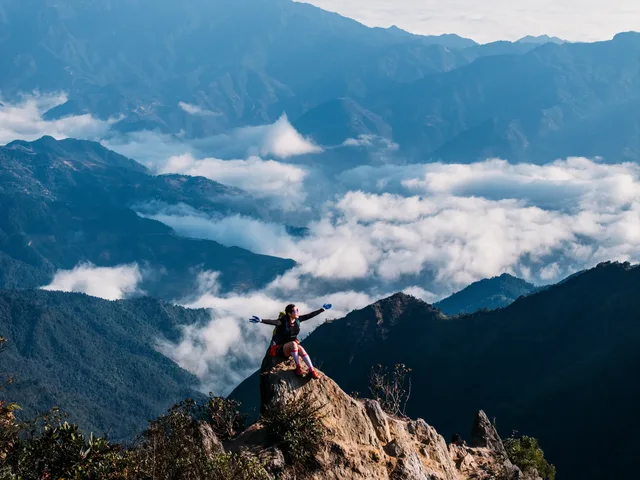
By focusing on the descent as much as the ascent, hikers can improve their balance and muscular control. This specific type of movement ensures that the lower body is prepared for the varied surfaces found in Southeast Asian mountain ranges.
Yes, local routines often focus on high-repetition lunges and stair climbing, which are highly effective for developing the muscular endurance needed for steep mountain trails.
How do I follow a Vietnam mountain fitness plan?
A person sits on a wooden bench in a mountain village, checking their gear before the next trek. The morning mist is thick, making the distant peaks nearly invisible.
To implement a structured approach, follow these steps:
- Gradually increase your elevation gain each week to allow your cardiovascular system to adapt to thinner air. 2. Incorporate resistance exercises that mimic the climbing motion, such as weighted step-ups or lunges. 3. Practice controlled breathing techniques to maintain oxygen efficiency during steep sections.
After completing these steps, check your recovery levels to ensure you are not overtraining before the next session.
To follow this plan effectively, gradually increase your weekly mileage and ensure you include rest days to allow muscle tissue to recover.
What are the limitations of this approach?
A trekker stands at the edge of a steep ravine, feeling the sudden drop in temperature as clouds roll in. The path ahead is obscured by heavy rain, making the ground slick and unpredictable.
According to Sport sciences for health, this study explored whether anthropometric, cardiovascular and blood biochemical parameters were significantly changed by a regular trekking performed at high altitude, with reduced oxygen levels, together with a macronutrient-containing balanced diet (total daily caloric intake: 3000-3500 Kcals).
The effectiveness of this routine depends on specific environmental and nutritional conditions.
For example, the physiological changes discussed in Sport sciences for health (2015) were explored specifically in the context of regular trekking performed at high altitude with reduced oxygen levels and a specific caloric range.
This means the results may not be identical for those trekking at sea level or those following a standard low-calorie diet.
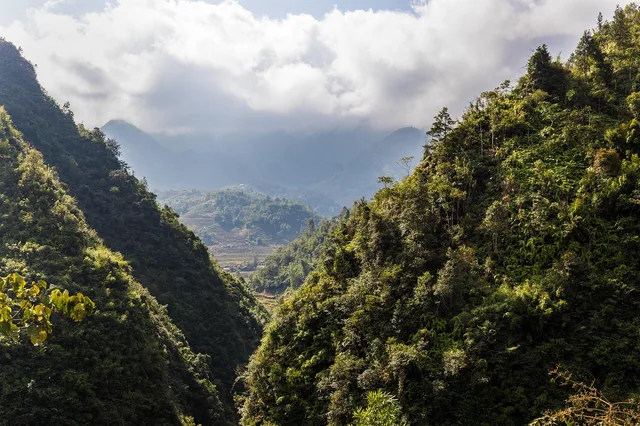
This approach may not fully prepare you for extreme high-altitude environments or technical rock scrambling that requires advanced upper-body strength.
Comparison of Trekking Variables
| Condition | Caloric Intake (Kcals) | Focus Area |
|---|---|---|
| High Altitude Trekking | 3000-3500 | Cardiovascular & Biochemical |
| Standard Hiking | Not specified | General Stamina |
I found that adjusting my pace to the local terrain made a significant difference in my overall energy levels.
When comparing variables, consider how terrain steepness, pack weight, and ambient humidity levels collectively impact your overall energy expenditure.
Should I prioritize nutrition or movement?
Nutrition and movement must be balanced to handle the strenuous demands of mountain movement. While steady-state movement prepares the heart for long ascents, a total daily caloric intake of 3000-3500 Kcals supports the intense physical exertion required.
Comparing these factors shows that high-altitude trekking requires both cardiovascular preparation and a macronutrient-containing balanced diet to influence blood biochemical parameters.
One must caution against ignoring the descent, as focusing on the descent as much as the ascent improves balance and muscular control. This comparison between ascending and descending helps ensure the lower body handles the repetitive stress of uneven ground.
Maintaining the rhythm of the mountain requires this dual focus on both the climb and the way down.
If the air is thin, the cardiovascular system needs time to adapt to the reduced oxygen levels. Following the structured movement patterns ensures that the body can manage the steep terrain without early fatigue.



Comments 0