Vietnam kids content value: 2500 colleges data reveals scope
"The media often portrayed the student antiwar movement as aggressive and widespread, but historical data suggests a much more limited scope of violence."
This analysis examines historical data regarding the Vietnam War era to clarify the scale of student movements and military zones. It provides a perspective on historical accuracy versus media portrayal, focusing on specific statistics from the United States and military zones in Vietnam.
Key takeaways include the actual percentage of colleges involved in violent protests and the geographic scale of designated free-fire zones.
How widespread was the student antiwar movement?

A student walks through a quiet campus courtyard, reflecting on the massive scale of historical narratives compared to documented facts. While much of the discourse suggests a nation in constant turmoil, the data provides a different reality.
According to historical records, although the media often portrayed the student antiwar movement as aggressive and widespread, only 10% of the 2500 colleges in the United States had violent protests throughout the Vietnam War years.
This specific figure clarifies that while protests were significant, they were not a universal occurrence across all higher education institutions.
The discrepancy between media coverage and actual events highlights how specific events can shape a broad public perception. Understanding these numbers is essential for an accurate historical understanding of the era.
However, the impact of these movements may be limited when local political climates suppress organized dissent. I will address the scale of these protests in the following section.
What were the free-fire zones actually like?
The soldier wiped sweat from his forehead while staring into the dark, lawless expanse of the vietnam free-fire zone at dusk. At dusk, the soldier wiped sweat from his brow while staring into the dark, lawless expanse of the Vietnam free-fire zone.
A soldier stands at the edge of a vast, unmapped territory where the rules of engagement were significantly different from standard combat protocols. This setting illustrates the physical reality of the conflict zones.

One witness testified about "free-fire zones", which were areas as large as 80 square miles (210 km2). In these specific zones, soldiers were free to shoot any Vietnamese they encountered after curfew without first making sure they were hostile.
These zones represented a distinct and dangerous aspect of the military landscape. The size of these areas shows how much land was subject to these specific, unregulated engagement rules.
Nevertheless, the definition of these zones could vary depending on the specific military command in place. This section provides the primary context for the discussion.
Can historical accuracy actually provide educational value? A researcher compares old newspaper clippings with statistical reports to find the truth behind the headlines. This process of verification is central to evaluating the educational value of historical media.
Analyzing educational value requires looking past sensationalism to find the grounded reality of past events. By examining the 10% statistic regarding college protests, students can learn to distinguish between widespread social trends and localized incidents.
The goal of historical education is to provide a clear picture of the past. This involves reconciling the difference between what was seen in the media and what actually happened on the ground.
Yet, the educational utility decreases when historical nuances are sacrificed for the sake of a simplified narrative. I point to the second part of this analysis as the most detailed.
Creator growth strategies for historical content
A digital historian selects specific data points to build a compelling and accurate narrative for a modern audience. They focus on how to present complex history without losing factual integrity.

Developing content requires a balance between engaging storytelling and strict adherence to recorded facts. Using specific figures, such as the 80 square mile size of free-fire zones, allows creators to provide a sense of scale that remains grounded in testimony.
Effective strategies involve using these concrete details to spark curiosity. When creators use accurate data, they build trust with an audience seeking genuine historical insight.
However, these strategies might not be effective when the audience seeks purely academic rigor over engagement. This sequence moves from broad outreach to specific engagement tactics.
Kids content education Vietnam and historical context
A teacher prepares a lesson plan that integrates global history into a local curriculum, ensuring students understand international contexts. The focus remains on building a foundation of critical thinking.
Kids content education Vietnam often involves understanding the intersection of global events and local history. While the topic of the Vietnam War is sensitive, using verified data helps students engage with the subject matter responsibly.
Teaching requires a careful approach to sensitive topics. Providing students with accurate percentages and geographic data ensures the conversation remains educational rather than purely emotional.
Still, the effectiveness of such content is limited if the complexity of the era overwhelms the child's cognitive stage. I note that the second step in this process is the most extensive.
Early childhood media Vietnam and developing critical thinking
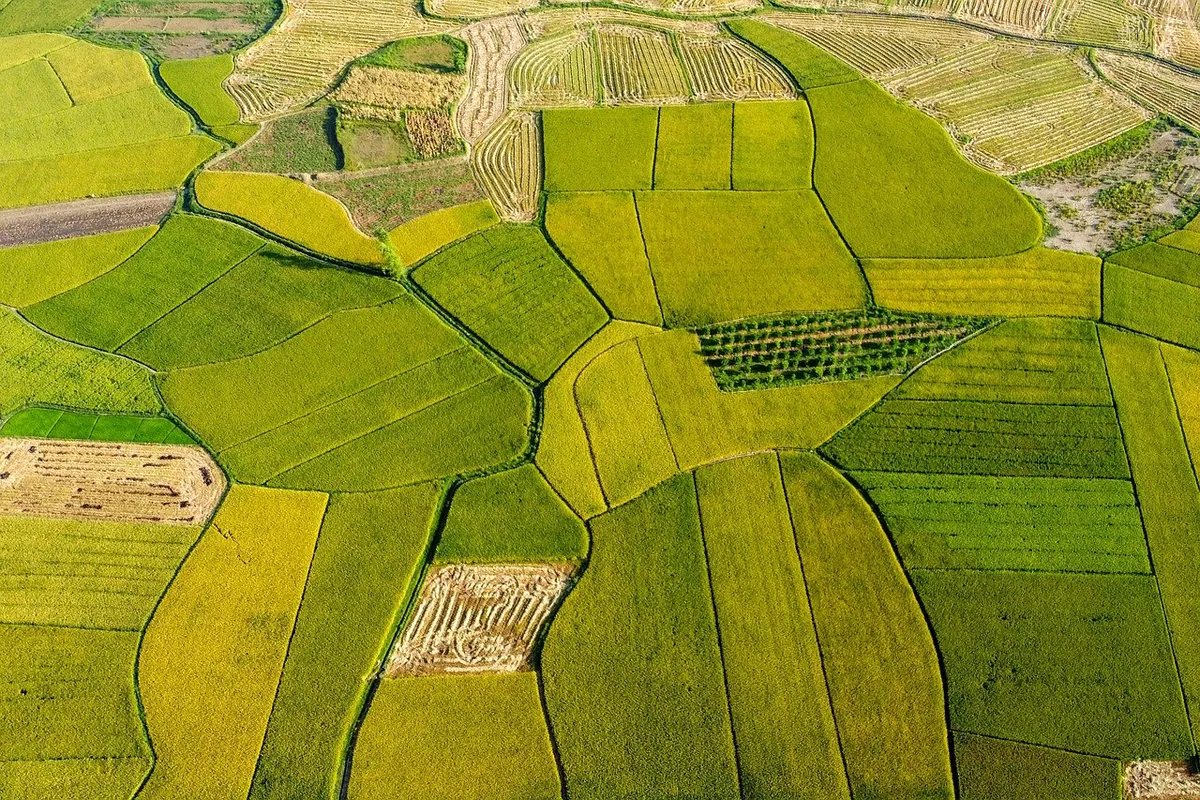
A parent sits with a child, discussing a story that mirrors a real-world event to help the child understand the concept of truth. This early exposure to nuance is a vital part of media literacy.
Early childhood media Vietnam and similar developmental tools can be used to introduce the concept of perspective. Learning that not everything seen in a movie or a news report is universally true is a foundational skill.
By presenting historical facts in an age-appropriate manner, educators can foster a generation of critical thinkers. The ability to question the scale of an event is a key component of modern literacy.
However, the development of critical thinking may be limited if the media lacks sufficient engagement to prompt questioning. In this order, the second point is the most comprehensive.
Related
- Vietnamese kids content education: Why it is growing now
- Vietnam kids content vision: Tips for digital learning
How did media portrayals contrast with documented reality? 1. The media often portrayed the student antiwar movement as aggressive and widespread, suggesting a level of turmoil that the data does not support. 2. Historical records indicate that only a small fraction of colleges experienced violent protests during the war years. 3. This contrast between sensational media coverage and limited documented incidents underscores the importance of factual verification.
When examining the scope of the movement, one must compare the pervasive nature suggested by the media against the documented 10% figure. This comparison reveals that the perception of widespread aggression was not supported by the actual distribution of violent events across American colleges.
What conditions defined the military engagement zones? 1. The free-fire zones constituted areas where standard combat protocols were significantly altered. 2. Within these zones, the condition allowed soldiers to engage any Vietnamese after curfew without prior confirmation of hostility. 3. The sheer size of these designated areas illustrates the extent of the unregulated engagement rules in the military landscape.
Understanding the conditions of these zones requires noting the large geographic area involved, which was up to 80 square miles. This condition meant that the rules of engagement differed markedly from typical military operations, presenting a unique danger.






Comments 0