Cooking content home value: Tips for culinary skills
"The kitchen is where culture meets the plate, turning a simple meal into a lesson in heritage."
Digital creators use recipe-driven media to preserve tradition, offering viewers a window into cultural identity through the art of the meal.
This exploration of cooking content home value examines how instructional videos serve as educational tools, focusing on the intersection of tradition and modern media.
Key takeaways include the role of digital platforms in preserving heritage, the instructional power of visual recipes, and how culinary skills bridge geographical divides.
How does cooking content home value manifest in digital media?
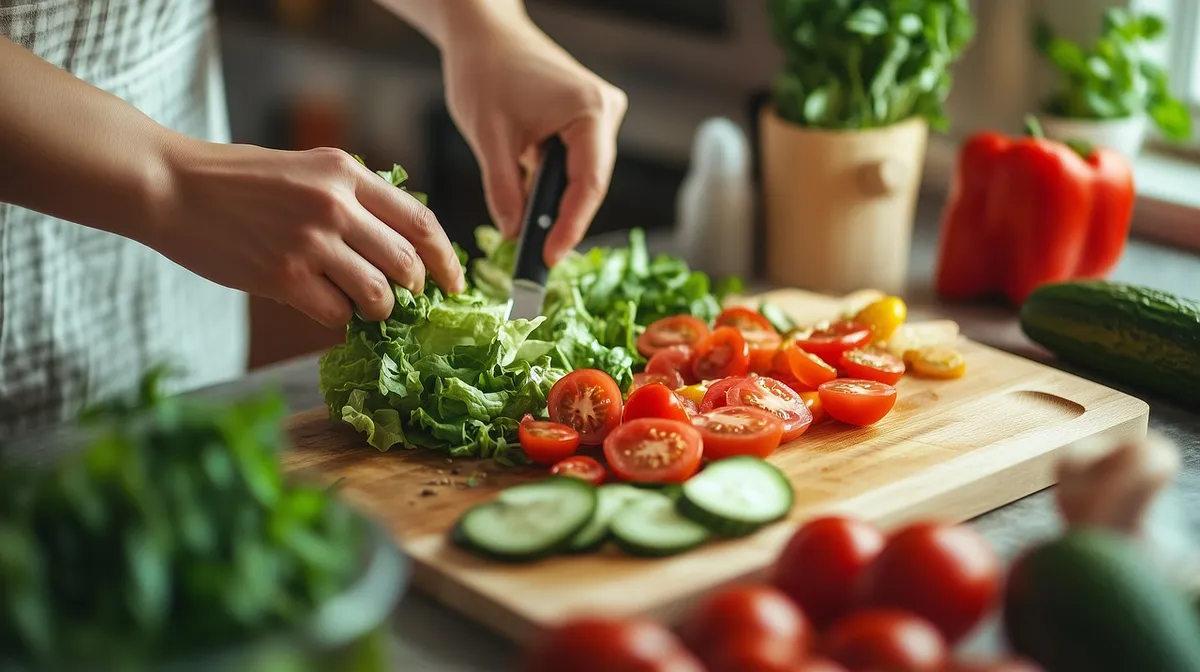
In the dimly lit studio, a hand reaches for a copper pot to begin cooking, while the scent of toasted spices fills the air.
A hand reaches for a wooden spoon, stirring a fragrant broth as the steam rises in a soft cloud. This simple action represents the growing interest in how digital creators translate traditional techniques for a global audience.
Through these videos, viewers learn that the preparation of a dish is as much about the process as the final result.
The impact of culinary learning impact is seen when a creator demonstrates the tactile nature of seasoning or the precise slicing of vegetables. These visual cues allow learners to grasp nuances that written text alone might miss.
By watching these techniques, people find a sense of connection to the origins of the food being prepared.
The scale of this engagement is evident in the reach of specialized channels. For instance, the Vietnamese Home Cooking YouTube official channel has 18,900 subscribers and 2,018,577 total views across 259 videos.
This data shows a significant audience interested in the practical application of traditional recipes.
Digital media transforms domestic tasks into consumable entertainment, turning the kitchen into a stage for personal expression and lifestyle branding.
What are the primary methods for recipe teaching methods?
A chef carefully arranges fresh herbs on a cutting board, demonstrating the exactness required for a balanced dish. This methodical approach provides a clear roadmap for anyone attempting to recreate the meal in their own kitchen.
Successful creators often use a three-step approach to ensure clarity: 1. Ingredient preparation through visual identification of spices and produce. 2. Step-by-step technique demonstration focusing on heat control and knife skills. 3.
A final check of texture and seasoning to ensure the dish meets traditional standards.
I once watched a creator balance acidity and salt in a soup, noting how the subtle shift in color signaled the perfect moment to add lime. This kind of visual guidance turns a screen into a classroom.
By following these structured sequences, viewers can transition from passive observers to active participants in the culinary process.
- Demonstrating visual techniques through close-up shots.
- Providing step-by-step verbal instructions.
- Explaining the underlying science of ingredients.
How does Vietnamese food education bridge cultural gaps?
The aroma of star anise and cinnamon fills a quiet kitchen as a creator explains the history behind a specific regional seasoning. This storytelling adds depth to the cooking, making the meal a vessel for history and geography.
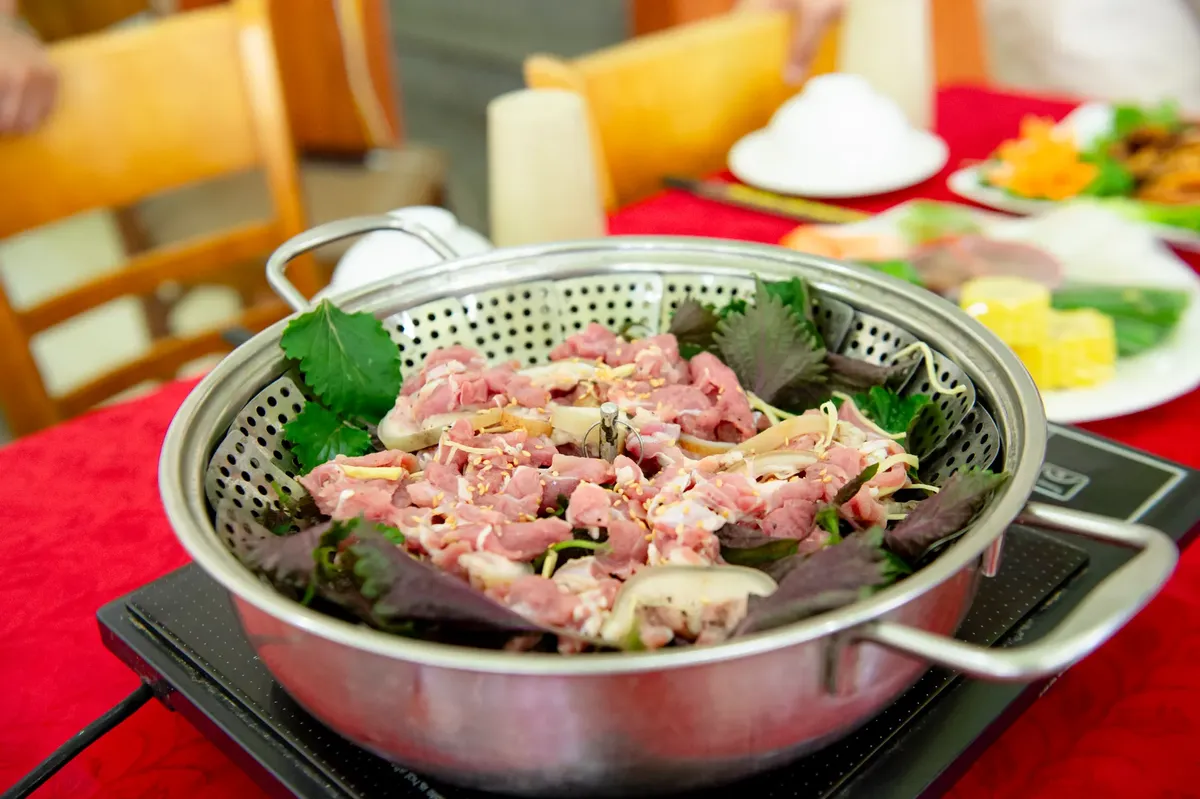
Vietnamese food education allows viewers to understand the diverse landscapes that shape a nation's palate. For example, the terrain influences available ingredients, such as how mountains account for 40% of the country's land area and tropical forests cover around 42%.
These geographical facts provide context for the herbs and vegetables used in traditional cooking.
The diversity of the land creates a variety of flavors. In the southern plains around Ho Chi Minh City and the Mekong Delta, temperatures range between 21 and 35 °C (70 and 95 °F) over the year.
In contrast, in Hanoi and the surrounding areas of the Red River Delta, temperatures are much lower between 15 and 33 °C (59 and 91 °F). These climate differences directly impact the types of crops and cooking styles developed in each region.
Sharing the history and techniques behind traditional dishes allows viewers to understand the cultural nuances and heritage embedded in every meal.
Can YouTube food education cases influence home cooking skills?
A student follows a video closely, mimicking the exact wrist movement used to fold a dumpling. The screen serves as a bridge between the expert's hands and the learner's kitchen.
The effectiveness of YouTube food education cases lies in the ability to repeat complex movements until they become second nature. Unlike a static cookbook, video allows for the observation of timing and texture.
This repetition is essential for mastering the delicate balance required in many Southeast Asian dishes.
The development of home cooking skills video proficiency happens through consistent engagement with high-quality instructional content. Learners use these videos to build confidence, moving from basic boiling to advanced fermentation or stir-frying.
This digital apprenticeship provides a way to sustain culinary traditions across generations and borders.
Repeated exposure to professional techniques in a casual format helps viewers build confidence and replicate complex dishes in their own kitchens.
How do we compare different cooking styles?
A side-by-side comparison of two different regional soups shows the subtle variations in color and garnish. This visual comparison helps learners identify the unique characteristics of different culinary traditions.
| Feature | Southern Region | Northern Region |
|---|---|---|
| Temperature Range | 21 to 35 °C (70 to 95 °F) | 15 to 33 °C (59 to 91 °F) |
| Primary Landscape | Mekong Delta/Plains | Red River Delta/Hilly |
Comparing these specific environmental factors helps explain why certain ingredients are more prevalent in one area than another. I found that understanding these temperature shifts helped me better understand why certain soups are served warmer or more heavily seasoned in the north.
Comparison involves evaluating the speed of preparation, the complexity of techniques, and the specific flavor profiles unique to each culinary tradition.
What are the limitations of digital cooking instruction?
A person stares at a screen, trying to match the exact consistency of a sauce that looks different in person. The disconnect between a digital image and a physical kitchen can sometimes lead to confusion.
One limitation is that digital content cannot account for the specific local ingredients or unique kitchen equipment a viewer might have at home. While a video provides a perfect visual, the reality of a home kitchen often involves different heat intensities or varied produce quality.
This gap means that while the guidance is helpful, it is not a substitute for hands-on practice and sensory adjustment.
The lack of tactile feedback, such as the smell of seasoning or the texture of dough, remains a significant barrier to mastering skills through a screen.
Related



Comments 0