Vietnam vlogger content standards: Why a 10 days cycle helps
"The total time, including scriptwriting, is about 10 days per video."
Successful content creation relies on a structured production cycle to balance quality with consistency. This guide explores how creators manage timelines, engagement, and viewer retention to maintain a steady output.
Key takeaways include understanding the production rhythm, managing feedback loops, and employing strategic engagement techniques.
How does a production timeline affect Vietnam vlogger content standards?

The creator rubs their tired eyes at the desk in the middle of the night, realizing how the rushed schedule for their latest vietnam vlog compromises the quality of the footage.
A creator sits at a desk, adjusting the brightness on a monitor while reviewing a rough cut of a recent shoot. The process of developing a video requires a disciplined approach to time management to ensure the final product meets expectations.
On average, the group takes a week to produce a video, with filming taking 3–4 days and voiceovers taking 3 days. The total time, including scriptwriting, is about 10 days per video.
This structured schedule ensures that every element, from the initial concept to the final audio, receives dedicated attention before publication.
What are the steps for managing a vlog strategy guide?
At dusk, the creator scribbles frantically in a notebook at their desk to organize the upcoming vietnam production schedule.
A creator opens a notebook to jot down ideas, moving from the broad strokes of a concept to the granular details of a script. Developing a cohesive narrative requires moving through distinct phases of creation and evaluation.
- Execute the primary filming phase, which typically occupies 3–4 days of the production cycle. 2. Complete the technical post-production, such as voiceovers, which takes approximately 3 days. 3. Implement a 5–7 day break after publication to read audience feedback before planning new clips.
I found that following this sequence helps maintain a clear distinction between active creation and necessary reflection.
How can creators implement effective vlog trend analysis?
A creator scrolls through a feed of trending videos, noting the pacing and visual style of successful uploads. Observing current industry standards helps in refining one's own creative direction.

The production cycle must account for both the technical labor of filming and the intellectual labor of scriptwriting. According to the provided data, the total time for a single video is about 10 days.
This period allows for the necessary refinement of the story and technical elements before the content reaches the audience.
What are the best vlogging techniques for audience retention?
A creator watches a playback of a video, noting the exact moment when viewer interest might dip. They adjust the pacing to ensure the story remains engaging from start to finish.
Effective engagement often involves specific structural choices to capture interest immediately. One successful method involves introducing the premise within the opening 30 seconds and promising a finale to hold attention through the usual 10–30 minute runtime.
Using bold keywords such as "24-hours" or "challenge" in titles, paired with simple, brightly lit thumbnails, can also serve to draw viewers in.
How do creators manage the process of analyzing vlogger success?
A creator reviews analytics on a tablet, comparing view counts and engagement metrics against previous uploads. Understanding these metrics is vital for long-term growth and stability.
| Metric Type | Description |
|---|---|
| Production Time | Total time including scriptwriting is about 10 days per video. |
| Feedback Period | A 5–7 day break is taken to read audience feedback. |
A single extreme success, such as achieving one billion video views over 30 days, serves as a benchmark for scale, though it is not the standard for every creator.
How to make viral vlogs through consistent quality?
A creator sits in a quiet room, recording a voiceover while checking the timing against the visual cuts. Maintaining this level of detail is essential for professional-grade content.
Consistency is built by balancing the intensity of production with necessary periods of rest. After the 10-day production cycle, taking a 5–7 day break to read audience feedback allows for better planning of future clips.
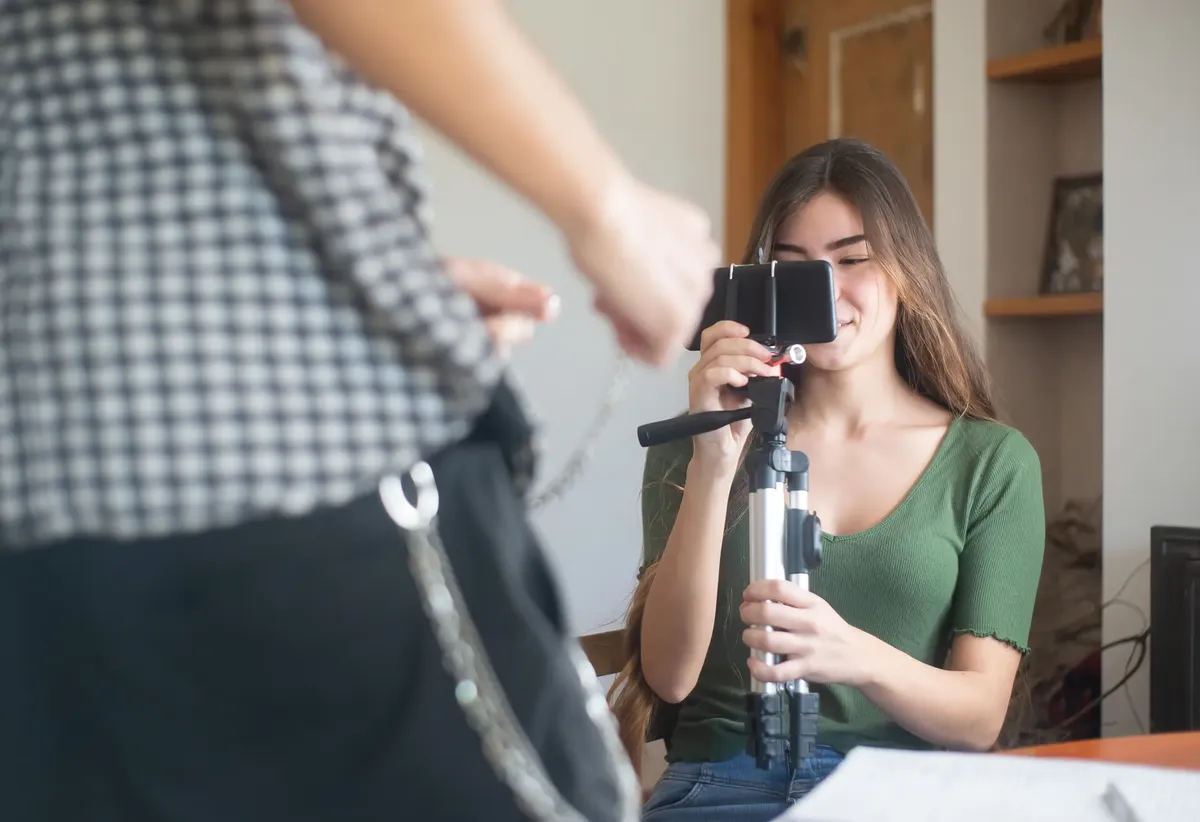
This cycle prevents burnout while ensuring that the relationship with the audience remains a central part of the creative process.
- How does a production timeline affect Vietnam vlogger content standards?
- What are the steps for managing a vlog strategy guide?
- How can creators implement effective vlog trend analysis?
The subject here is Vietnam vlogger content standards.
The same subject is also called Vlog content criteria.
The same subject is also called Vlog production tips.
Related
- Vietnam vlog educational value: Why economic shifts appear
- Vlog creator brand awareness: How to guide visibility
How is the total time distributed across the production cycle?
The total time for a video is approximately 10 days. This duration is divided between scriptwriting, a 3–4 day filming phase, and a 3-day voiceover period. This specific distribution ensures that the 10-day period covers both technical and creative tasks.
What conditions define the feedback period?
A 5–7 day break is taken following publication to read audience feedback. This period occurs after the 10-day production cycle is complete. This break serves as a condition for planning new clips to ensure feedback is integrated into the next cycle.
- Complete the 10-day production cycle including filming and voiceovers. 2. Observe the 5–7 day break to read audience feedback. 3. Plan new clips based on the feedback received during the break.
[News] Vietnam’s Content Moderation Regulation | Knowledge Base Articles | Jun 2, 2025 - Information Technology and Innovation Foundation (ITIF) Based on the retained excerpt mentioning Information Technology and Innovation Foundation: Title: Vietnam’s Content Moderation Regulation | Knowledge Base Articles | Jun 2, 2025 - Information Technology and Innovation Foundation (ITIF).







Comments 0