Vietnamese food recipe education: Why climate affects taste
"A recipe is more than a list of ingredients; it is a living classroom of culture and geography."
Effective Vietnamese food recipe education requires a strategic blend of culinary precision and cultural context to transform a simple blog into a meaningful learning platform.
This guide explores how to leverage regional geography and historical nuances to create engaging food content education, specifically focusing on how environmental factors shape flavor profiles.
You will learn how to structure tutorials, integrate geographical context, and balance technical skills with storytelling.
How to build a foundation for Vietnamese food recipe education?
A writer sits at a wooden desk in Hanoi, typing out the delicate steps for a seasonal soup while glancing at a map of the Red River Delta. To build a successful brand, creators must move beyond mere instruction to provide a deep understanding of why certain ingredients are used.
This approach turns a standard blog into a source of Vietnamese food recipe education that resonates with curious learners.
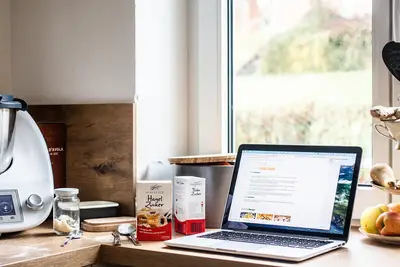
Effective content must bridge the gap between a kitchen appliance and the natural environment that produced the ingredients. By explaining the relationship between soil, climate, and taste, you provide a more holistic learning experience.
This method ensures that readers do not just follow steps but understand the logic behind the seasoning.
A well-structured blog should prioritize clarity and cultural authenticity to maintain reader engagement. Providing context about the origin of a dish helps students understand the soul of the meal.
How can geography influence your recipe tutorial learning?
A chef brushes a hand over damp herbs in a humid market to understand how the environment affects vietnamese recipe tutorial learning.
A chef examines a basket of fresh herbs in a humid market, noting how the moisture in the air affects the texture of the leaves. Using environmental data to explain ingredient availability is a powerful way to enhance recipe tutorial learning.
When a creator explains that level land covers no more than 20% of the country, they provide a vital clue as to why certain crops dominate specific regions.
Understanding the physical landscape helps learners anticipate the types of produce they will encounter. For instance, the hilly and forested nature of much of the land dictates specific agricultural practices and ingredient types.
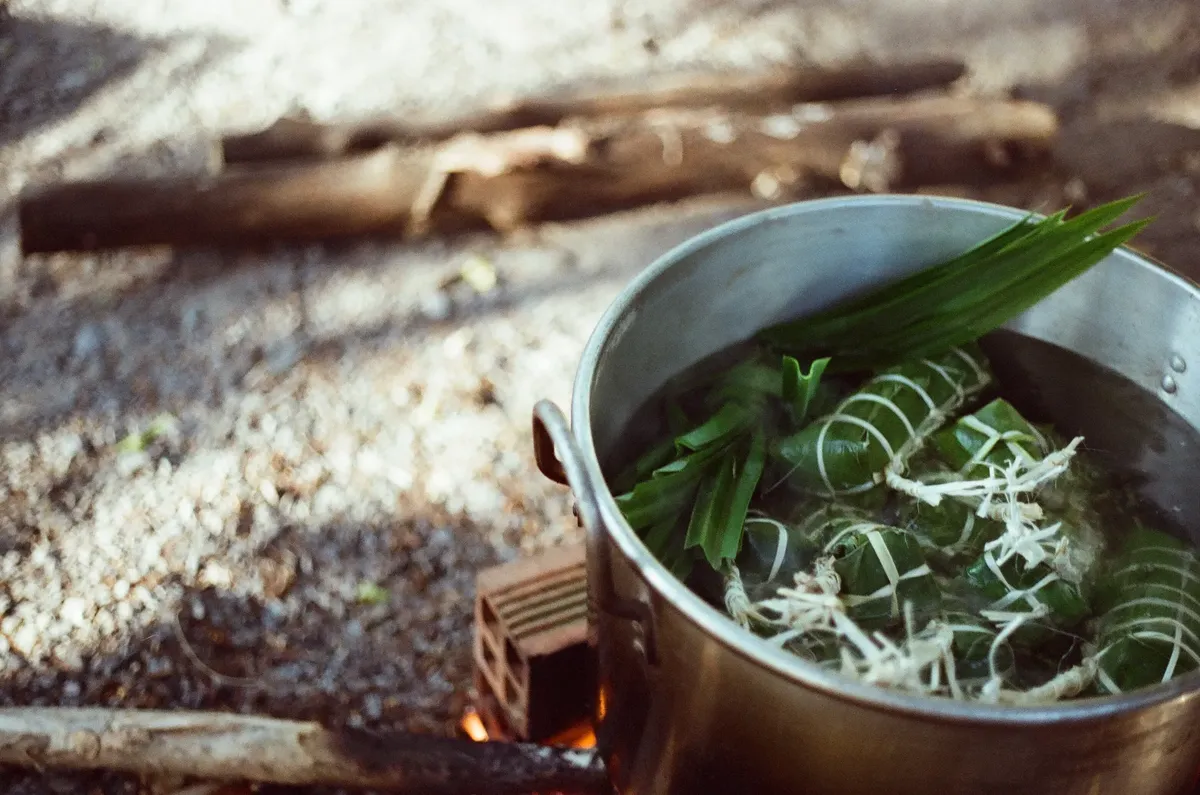
This knowledge allows a creator to teach how to substitute ingredients based on regional availability.
Integrating these environmental realities into a blog makes the lessons feel grounded in reality. It transforms a simple instruction into a lesson on how nature dictates the menu.
According to World Bank, the 2024 record includes 39.2%.
What are the best food blog strategies for regional variety?
A traveler moves from the warm, humid plains of the Mekong Delta to the cooler breezes of the north, carrying a notebook of flavor notes. Developing diverse content requires a deep dive into the temperature fluctuations that define regional cuisines.
The best food blog strategies involve highlighting these shifts to explain why flavors vary so drastically between the north and the south.
In the southern plains around Ho Chi Minh City and the Mekong Delta, temperatures range between 21 and 35 °C (70 and 95 °F) over the year. This warmth often allows for different fermentation and spice profiles compared to the north.
In Hanoi and the surrounding Red River Delta, temperatures are much lower, between 15 and 33 °C (59 and 91 °F).
| Region | Temperature Range |
|---|---|
| Southern Plains / Mekong Delta | 21 to 35 °C (70 to 95 °F) |
| Hanoi / Red River Delta | 15 to 33 °C (59 to 91 °F) |
I found that comparing these temperature ranges helps me explain why certain hearty stews are more common in the north while lighter, herb-heavy dishes thrive in the south.
How to implement effective food content education?
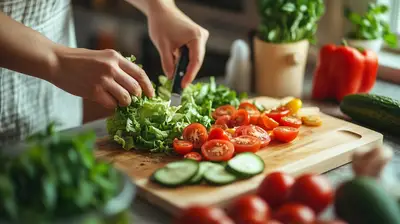
A student carefully measures spices, looking at a digital screen for guidance on the next step. To move from a casual reader to a skilled cook, learners need a structured approach to mastering new techniques.
Effective food content education focuses on the transition from reading to doing through repeatable, logical steps.
- Identify the core technique, such as stir-frying or steaming, that defines the dish. 2. Explain the role of seasonal ingredients and how local climate influences their use. 3. Verify the final texture and flavor balance against the traditional standard.
A final check ensures that the seasoning reflects the intended regional profile. This systematic approach builds confidence in the learner.
Why is it important to consider land use in your lessons?
A farmer tends to a vibrant green field, where the soil holds the history of generations. When teaching about food, understanding the scale of production offers a window into the diet's sustainability.
This context is essential for anyone interested in the intersection of agriculture and culinary arts.
According to World Bank data, Vietnam recorded an agricultural land share of 39.2% in 2024. This significant portion of land highlights the importance of agriculture to the nation's identity and food security. Discussing these figures helps readers appreciate the source of their meals.
Linking the plate to the field provides a sense of scale and respect for the ingredients. It connects the consumer to the producer through the medium of the recipe.
How do you manage the limitations of digital cooking lessons?
A cook pauses to look at a wilted herb, realizing the local grocery store does not carry the exact variety mentioned in the blog. Every digital lesson has boundaries, particularly when dealing with specific regional ingredients. Recognizing these constraints is part of a mature educational strategy.
A significant limitation is that much of the land is hilly and densely forested, with level land covering no more than 20%. This terrain can make the sourcing of certain specific crops difficult for readers living in different geographic zones.
While a recipe might be authentic, the physical reality of the land affects how easily it can be replicated globally.
- How to build a foundation for Vietnamese food recipe education?
- How can geography influence your recipe tutorial learning?
- What are the best food blog strategies for regional variety?
The same subject is also called Cooking blog educational value.
The same subject is also called Vietnamese cooking lessons.
This part also covers How to teach cooking online.
This part also covers YouTube cooking education tips.
Related



Comments 0