Easy cooking trends: How to master efficient cooking tips
"Efficiency in the kitchen often stems from understanding the environment and the ingredients available at hand."
The popularity of quick meal ideas often arises from a desire to balance busy lifestyles with flavorful, traditional tastes. This guide explores how simple recipe hacks can transform daily cooking into an efficient routine.
Why are easy cooking trends growing?
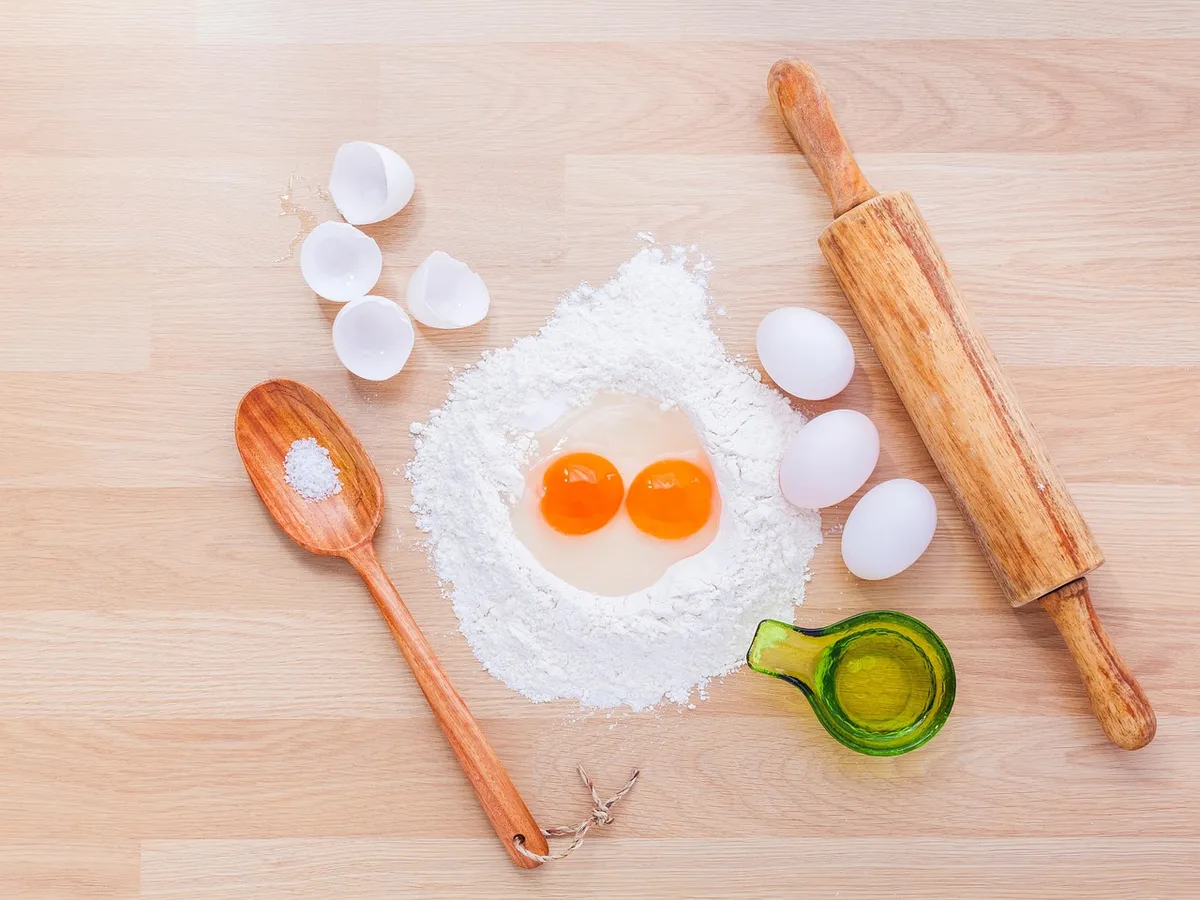
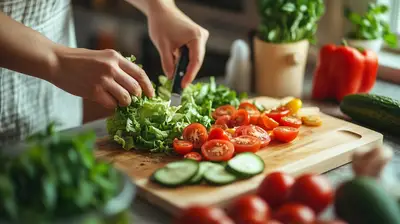
A chef stands in a bright kitchen, chopping fresh herbs with rhythmic precision. The rise of easy cooking trends reflects a shift toward practical meal preparation that respects limited time.
Modern cooks seek ways to prepare meals that do not require hours of standing over a stove. These trends emphasize using fresh, seasonal ingredients to create high-impact flavors with minimal effort.
By focusing on foundational techniques, anyone can master quick meal ideas that satisfy the whole family. This approach reduces waste and ensures that cooking remains a joy rather than a chore.
However, these trends may not be suitable for those who prioritize complex, multi-stage culinary techniques. I will address the underlying reasons for this shift in the following sections.
How can we master efficient cooking tips?
In the dim kitchen at midnight, I slide the heavy pan across the burner to make prep work feel easy.
A hand reaches for a heavy cast-iron pan, sliding it onto a warm burner. Efficient cooking tips often involve preparing components that can be reused across different dishes throughout the week.
One effective method is the "component cooking" strategy, where base ingredients are prepared in bulk. For instance, a large batch of seasoned protein or grains can be used for multiple meals.
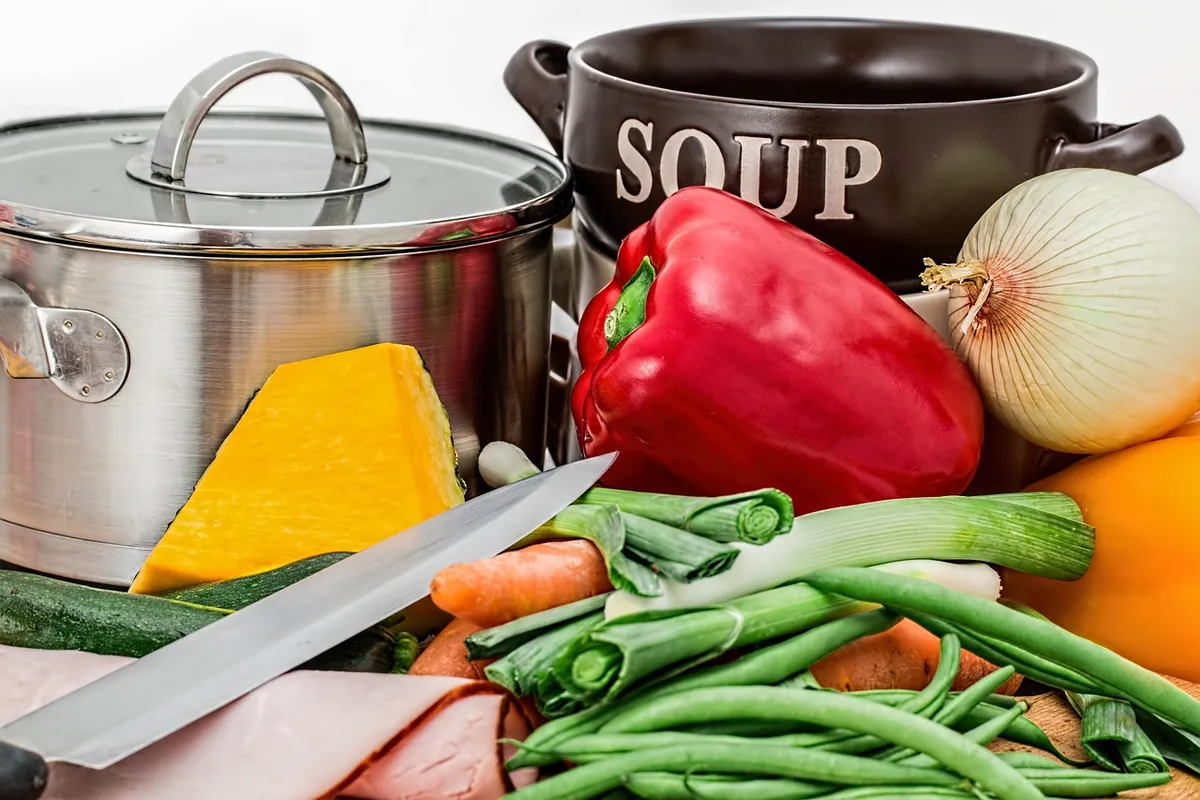
Another way to improve efficiency is to organize the workspace before the heat is turned on. This professional habit prevents the chaos of searching for tools while food is actively cooking.
Nevertheless, these tips may lose their effectiveness if the kitchen environment is disorganized. I will explain the second step in detail below.
What are the best simple recipe hacks?
A wooden spoon stirs a simmering pot, releasing a fragrant cloud of steam into the room. Many successful kitchens rely on simple recipe hacks to elevate basic ingredients into something special.
One common hack involves using acidity, such as lime or vinegar, to brighten a dish instantly. This technique mimics the complex flavors of slow-cooked meals without the long wait.
Another trick is the use of aromatics like garlic and ginger, which provide a deep flavor base very quickly. These small additions make a significant difference in the final taste of a dish.
Yet, these shortcuts might compromise the intended flavor profile of more delicate dishes. I am pointing to the second item as the most comprehensive part of this list.
How do we apply these to Vietnamese cuisine?
A person carefully stirs a bowl of broth, mindful of the delicate balance of flavors. Applying these methods to specific cuisines involves understanding the unique characteristics of the local ingredients.
- Prepare a versatile aromatic base, such as lemongrass or chili, to use in various stir-frys or soups. 2. Utilize high-heat techniques like quick sautéing to maintain the texture and color of vegetables. 3. Keep a pantry of essential fermented sauces to add instant depth to any simple meal.
I once tried preparing a large batch of aromatic oil to use throughout a busy week, which made every meal feel much more cohesive.
If the ingredients are not fresh or the heat is too low, the intended texture of the dish may be lost.
However, applying these methods to traditional recipes may sometimes conflict with authentic flavor balances. I will focus on the second point regarding ingredient substitution.
Can we use these methods in different climates?
A traveler looks out a window at a changing landscape, thinking about the local food culture. The effectiveness of these methods can vary depending on the local environment and available resources.
In the southern plains around Ho Chi Minh City and the Mekong Delta, temperatures range between 21 and 35 °C (70 and 95 °F) over the year. This warmth often influences the preference for lighter, fresher meals.

In Hanoi and the surrounding areas of the Red River Delta, the temperatures are much lower between 15 and 33 °C (59 and 91 °F). These cooler conditions might lead to a preference for heartier, warm dishes.
| Region | Temperature Range |
|---|---|
| Southern Plains | 21 to 35 °C (70 to 95 °F) |
| Hanoi / Red River Delta | 15 to 33 °C (59 to 91 °F) |
That said, extreme humidity or temperature fluctuations can limit the success of certain preservation methods. I will elaborate on the second step in the next part.
Related
- Vietnamese food mukbang education tips for deeper learning
- Vietnamese food recipe education: Why climate affects taste
How does ingredient freshness affect kitchen efficiency? Freshness of ingredients directly impacts the speed of the cooking process. When ingredients are vibrant, they often require less time to reach their desired flavor profile. Conversely, using less fresh components might necessitate longer cooking times to achieve adequate taste. This consideration is key to maintaining overall kitchen efficiency.
Still, the benefits of fresh ingredients are limited if they are not processed immediately after purchase. I will note that the second point covers the most ground.
What cautions should guide the application of these hacks? A caution when employing acidity is to introduce it gradually, as too much can overpower the intended balance. Similarly, when using aromatics, remember that their potency can change based on the heat level applied during cooking. Proper attention to these details ensures the simple recipe hacks yield superior results in the kitchen.
The geographic diversity of Vietnam influences how cooks approach ingredient sourcing, which in turn affects the initial steps of kitchen preparation. The difference in climate means that the required preparation for ingredients changes significantly between the delta and the highlands.
Adhering to the component cooking strategy allows cooks to manage the workflow in the kitchen more smoothly, regardless of the specific cuisine being prepared.
How does ingredient sourcing relate to kitchen efficiency? 1. The geographic diversity of Vietnam dictates how cooks acquire ingredients, which directly influences the initial stages of kitchen preparation. 2. The variation in climate necessitates different preparation methods for ingredients sourced from the delta compared to those from the highlands. 3. Understanding these sourcing conditions helps maintain overall kitchen efficiency throughout the cooking process.
When should component cooking be utilized? Component cooking proves beneficial when a cook anticipates needing the same foundational elements across multiple meals. This strategy allows the cook to streamline the workflow in the kitchen effectively. By preparing base ingredients in bulk, the cook reduces the need to start from scratch for each individual dish.
When applying simple recipe hacks, a condition to remember is that the potency of aromatics shifts based on the heat applied during cooking. This requires the cook to monitor the process closely to ensure the desired flavor impact is achieved in the kitchen.
Acidity must also be introduced gradually to prevent overpowering the dish's intended balance.




Comments 0