Vietnamese food mukbang education tips for deeper learning
"The table is set with steaming bowls of pho and vibrant herbs, turning a simple meal into a visual lesson on culture and ingredients."
Vietnamese food mukbang education offers a unique window into the intersection of culinary tradition and digital storytelling. This content provides a way to learn about regional ingredients and preparation methods through visual immersion.
This guide explores how these videos serve as instructional tools, the necessity of a systematic food content approach, and the potential for deeper learning through analyzing food video learning.
Why does Vietnamese food mukbang education matter?
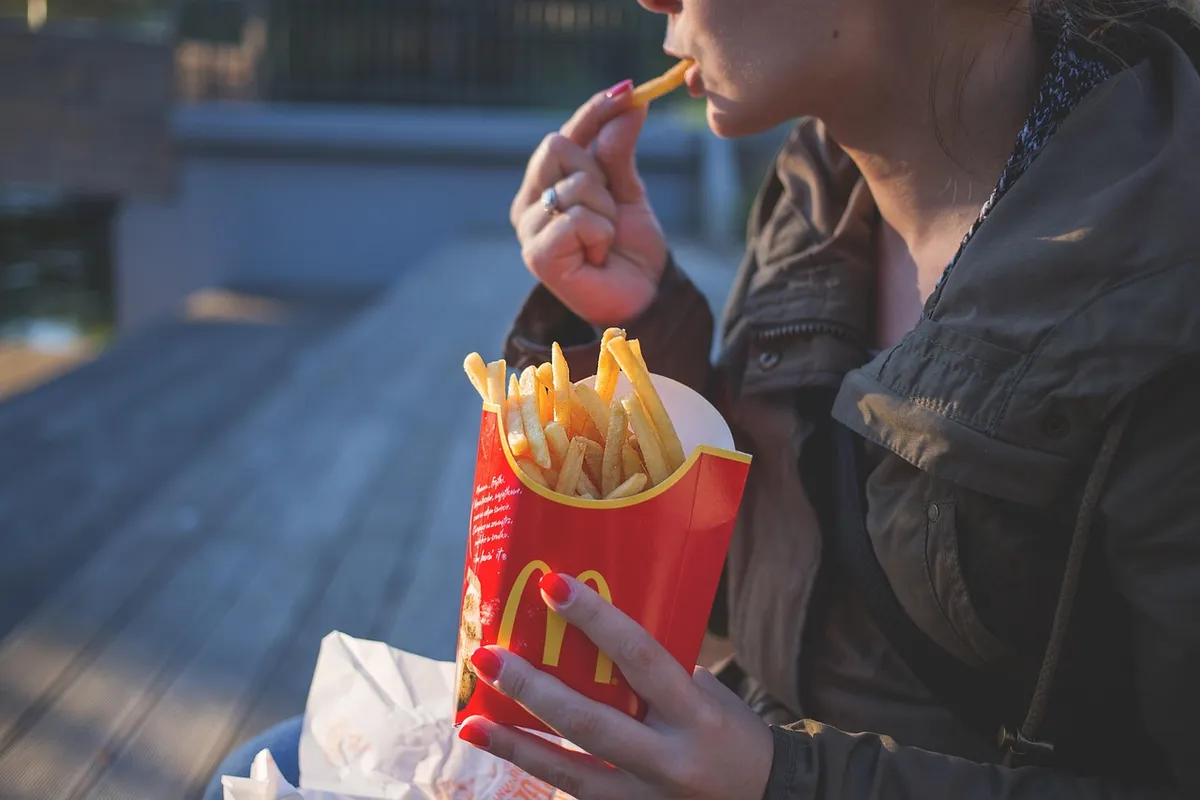
At dusk in the dim kitchen, I lean forward to inhale the fragrant steam rising from a bowl of Vietnamese soup.
A camera lens focuses on a steaming bowl of noodles as steam rises in soft clouds. This visual medium allows viewers to observe the textures of fresh herbs and the consistency of broths in real-time.
Vietnamese food mukbang education serves as a bridge between digital entertainment and cultural literacy. By watching the meticulous assembly of ingredients, viewers gain an intuitive understanding of flavor profiles and traditional plating.
This form of content allows for a sensory-driven deep dive into the heritage behind every dish.
The rise of digital media has transformed how we perceive traditional cuisine. Through these videos, the nuances of regional spices and cooking techniques become accessible to a global audience.
This engagement fosters a connection to a culture that might otherwise remain distant to a viewer sitting behind a screen.
In this sequence, the first point is the most fundamental.
How can we develop a systematic food content approach?
At dawn in the quiet kitchen, I carefully arrange each vibrant herb on a platter to master a systematic vietnamese food content approach.
A creator carefully arranges a platter of spring rolls, ensuring each ingredient is visible to the camera. This careful preparation is the first step in turning a meal into a structured lesson. According to World Bank data, Vietnam recorded an agricultural land share of 39.2% in 2024.
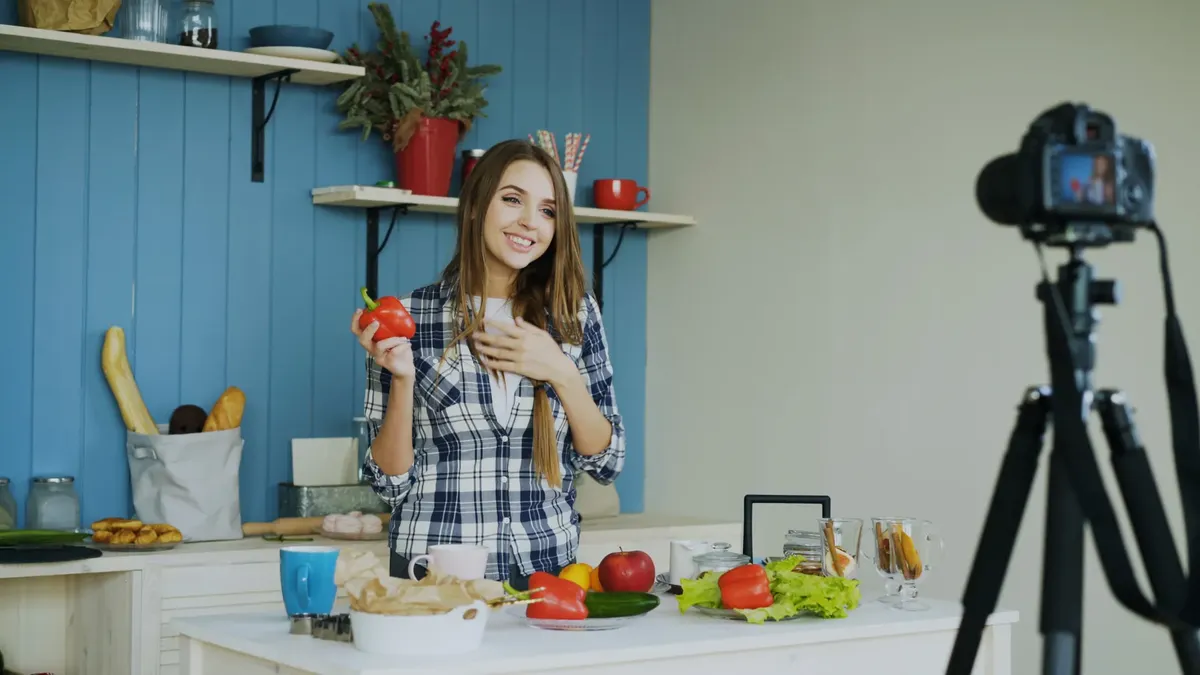
A systematic food content approach involves moving beyond mere consumption to include historical context and ingredient sourcing. Instead of just eating, creators can explain the significance of specific spices or the origin of certain vegetables.
This turns a simple meal into a structured curriculum of flavors.
To implement this, one might focus on the following: 1. Highlight the seasonal availability of specific ingredients used in the dish. 2. Explain the traditional preparation methods that define the dish's character. 3. Discuss the cultural significance of the meal within a specific region.
I once watched a video where the creator explained the specific type of herb used in a soup, which changed how I viewed the dish entirely. This type of intentionality is what transforms a video into a learning tool.
- Identify core culinary elements.
- Select engaging visual storytelling techniques.
- Establish a consistent nutritional narrative.
What are the benefits of mukbang for food education?
A hand picks up a piece of crispy pork, letting the sound of the crunch resonate through the microphone. This auditory detail provides a tactile sense of texture for the viewer.
Using mukbang for food education allows for the observation of authentic eating habits and etiquette. It provides a living demonstration of how different textures and flavors interact during a meal. This sensory immersion makes the learning process more engaging than reading a static recipe.
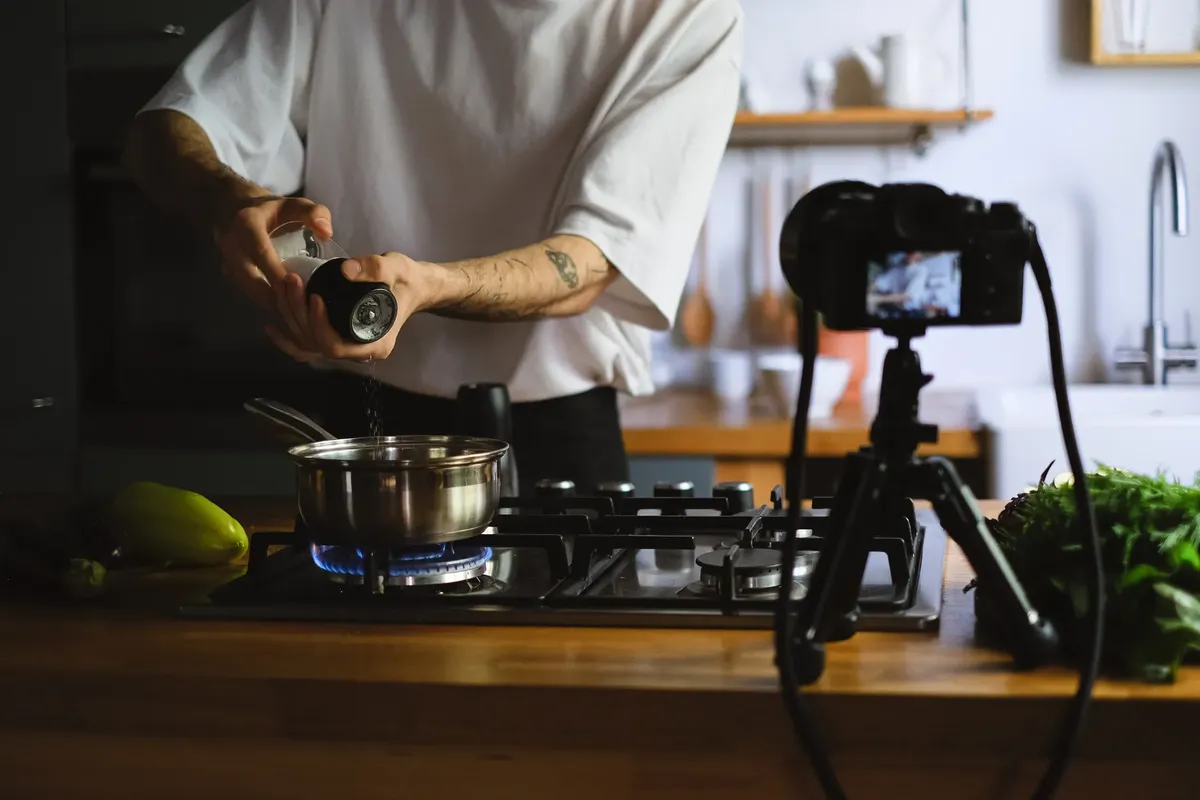
The visual and auditory cues in these videos act as a form of practical demonstration. Viewers can observe the exact proportions of ingredients being used, which helps in understanding balance in cooking. This direct observation makes the educational aspect feel natural rather than forced.
In this sequence, the second point is the most extensive.
How does analyzing food video learning work?
A viewer pauses a video to look closely at the vibrant colors of a dipping sauce. This moment of pause allows for a deeper investigation of the visual components.
Analyzing food video learning requires looking at how visual storytelling enhances the retention of culinary knowledge. By observing the way ingredients are handled, viewers can learn about knife skills and plating-related techniques.
This analytical approach turns passive watching into active learning.
The process of analyzing food video learning involves identifying the relationship between the visual presentation and the narrative. It requires the viewer to recognize how the creator uses sound and sight to convey information about the food's quality.
This engagement helps solidify the information being presented.
Is there a way to integrate these lessons into daily life?
A person in a kitchen attempts to replicate the vibrant colors of a dish seen on a screen. This transition from viewer to participant marks the peak of the educational cycle.
One can apply these lessons by sourcing authentic ingredients to recreate the dishes witnessed in the videos. This practical application tests the knowledge gained through visual observation. It turns a digital experience into a hands-on culinary experiment.
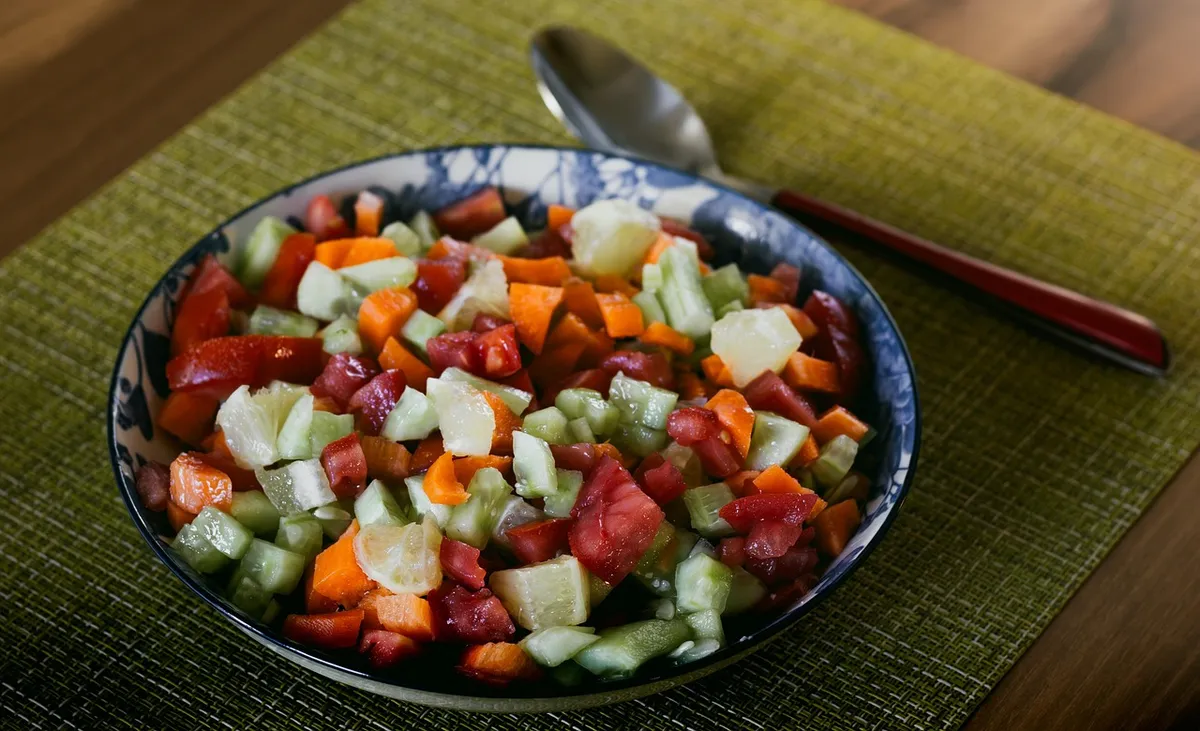
To apply these insights, follow these steps: 1. Identify a specific ingredient or technique highlighted in a video. 2. Source authentic versions of those ingredients from local markets. 3. Replicate the dish while paying attention to the sensory details described by the creator.
A final check involves tasting the recreated dish to see how closely it matches the visual and sensory reality of the original content. This comparison validates the effectiveness of the digital instruction.
The same subject is also called food content learning value.
The same subject is also called Vietnamese food teaching.
The same subject is also called eating show educational role.
This part also covers mukbang's educational benefits.
Related




Comments 0