Vietnam mukbang educational value shows 20% level land
"The flavors of a nation are often found at the intersection of its landscape and its traditions, captured in a single steaming bowl."
Vietnam mukbang educational value lies in its ability to showcase the country's unique agricultural heritage and geographical constraints through visual storytelling.
This analysis explores how food content serves as a window into the local lifestyle, providing insights into how land use and regional resources shape daily meals.
Key takeaways include the connection between landscape and cuisine, the preservation of traditional cooking methods, and the role of food content in cultural education.
How does geography influence the food shown?

A creator sits at a low wooden table, steam rising from a bowl of noodles as the sounds of a bustling street market fill the background. The physical reality of the country shapes what appears on the screen, often highlighting ingredients that are native to the specific terrain.
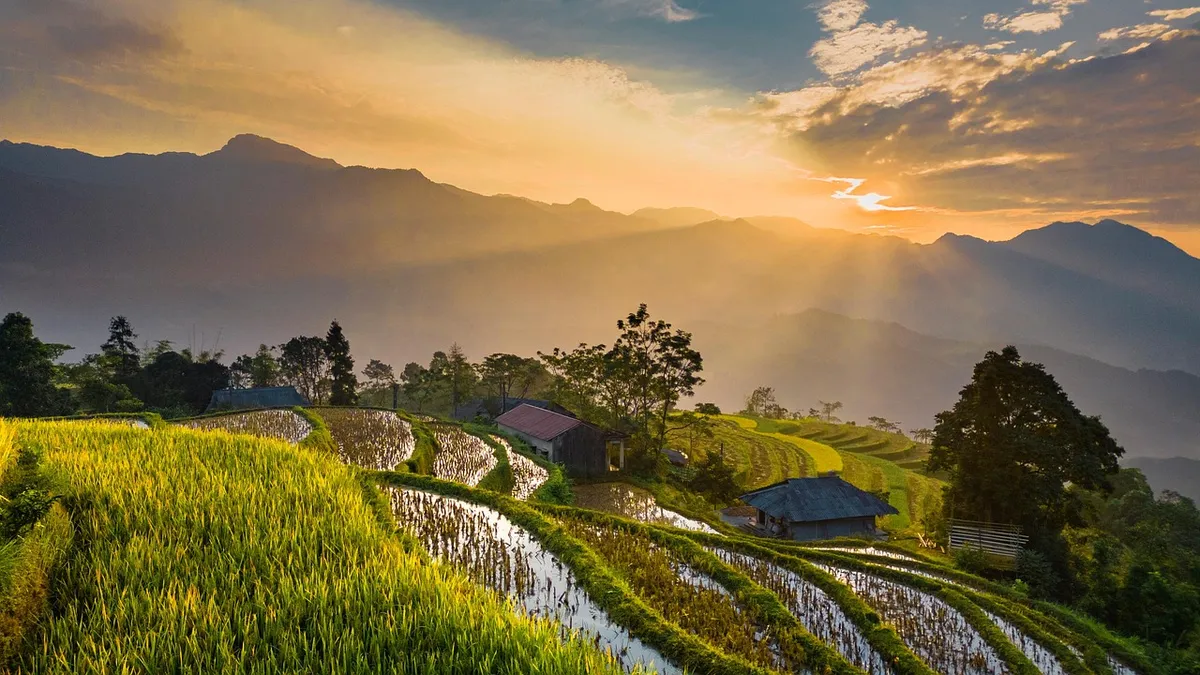
The landscape plays a fundamental role in determining the ingredients available for these culinary displays. According to Wikipedia, Vietnam's land is mostly hilly and densely forested, with level land covering no more than 20%.
This geographical reality means that food content often reflects a diverse range of ingredients sourced from varied environments, from mountain crops to coastal seafood.
Understanding these environmental factors helps viewers appreciate the effort required to bring these ingredients to the table.
The limited amount of level land suggests that much of the food production occurs in challenging terrains, which influences the types of agriculture and harvesting techniques shown in videos.
This natural setting provides a backdrop for the Vietnam mukbang educational value, as viewers witness the direct results of local cultivation.
However, this influence is limited when filming takes place in controlled studio environments rather than on-site.
What role does agriculture play in food content? Vietnam mukbang educational value
At dawn in the lush fields, I reach for a damp, earthy vegetable to show how much the soil of vietnam shapes our meals.
A hand reaches for a fresh vegetable, still damp with water, while the camera pans over a vibrant spread of seasonal produce. The connection between the soil and the plate is a recurring theme in many food-focused videos.
The agricultural foundation of the nation provides the raw materials that make these shows possible. According to World Bank data, Vietnam recorded an agricultural land share of 39.2% in 2024.
This significant portion of land dedicated to farming ensures a constant supply of fresh ingredients that are central to the visual appeal of local eating shows.
The presence of such extensive agricultural land means that creators can showcase a wide variety of crops and livestock. This abundance allows for a deep dive into seasonal eating habits and traditional farming-to-table processes.
By observing these contents, viewers learn how much of the daily diet is tied to the land's productivity.
- Identify local crop varieties.
- Examine seasonal availability.
- Observe farming techniques used in the footage.
How does food content act as a cultural guide?
In the dim light of the evening, I wrap my fingers around a warm bowl to learn the customs of vietnam through taste.
A spoon dips into a rich broth, capturing the golden hue of a carefully prepared soup. The visual representation of a meal serves as more than just entertainment; it acts as a living archive of tradition.
Food content often serves as a practical guide for those interested in regional customs. The content can reveal specific ways of serving, eating, and seasoning that are unique to certain provinces. This provides a form of 2023 food content learning that transcends simple consumption.
By watching these creators, audiences gain a sense of the social etiquette and communal aspects of dining. The way meals are shared or prepared in public spaces offers a glimpse into the social fabric of the country.
This makes Vietnamese eating show value particularly high for those seeking an authentic cultural experience through a screen.
In this sequence, the second point is the most extensive.
Can food trends drive industry growth?
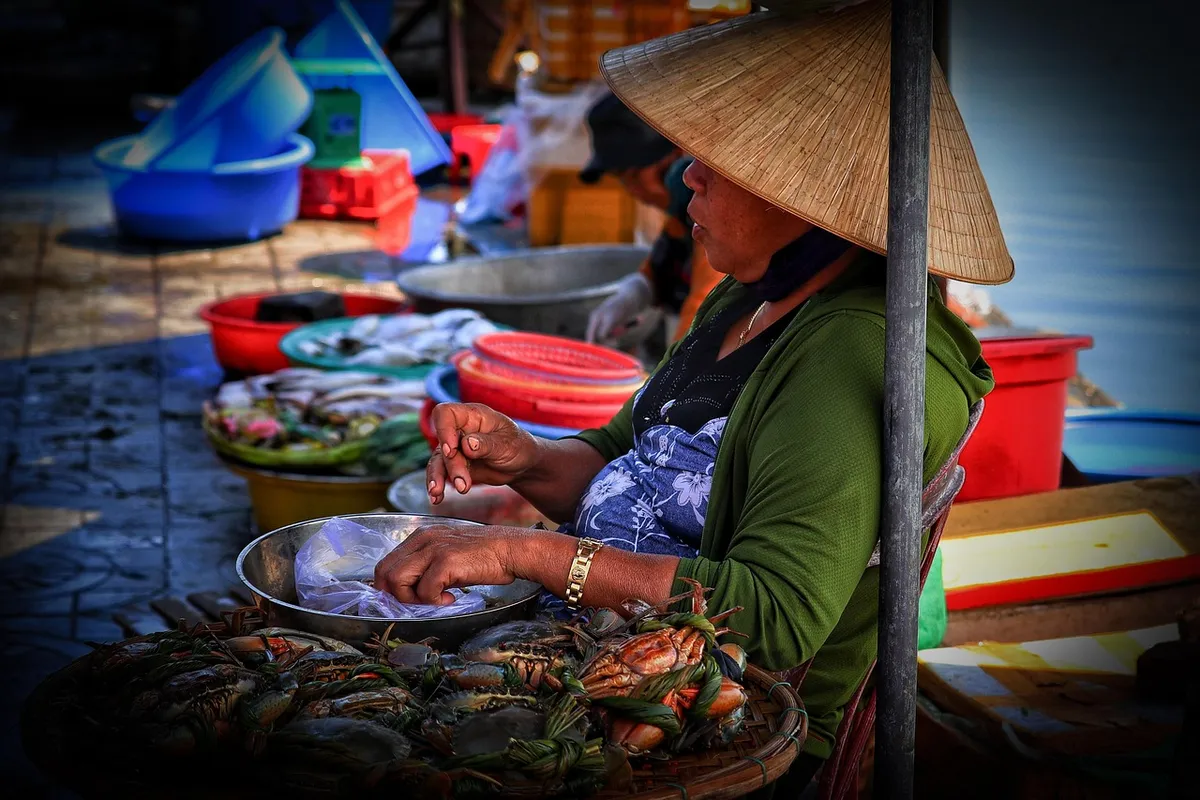
A creator adjusts the lighting to highlight the texture of a crispy snack, preparing for the next bite. The intersection of digital media and traditional food production creates a unique economic dynamic.
The popularity of these videos can influence market trends and consumer interest in specific ingredients. As certain dishes become viral, there is often a corresponding interest in the producers and traditional methods behind them.
This phenomenon relates to food trend creator growth, where digital popularity meets physical production.
The visibility of local ingredients can also spark interest among international audiences, potentially opening new markets for traditional goods. This connection between digital engagement and local industry is a key aspect of modern content creation.
Analyzing these patterns helps in understanding the wider impact of food-based media on the economy.
This does not apply when trends are purely fleeting and lack sustainable consumer interest.
What are the implications for food content analysis?
A researcher takes notes while watching a video of a busy street food stall in the evening. The study of these trends requires looking beyond the surface of the meal to the underlying social and economic drivers.
Analyzing these trends requires an understanding of how digital media interacts with physical reality. The intersection of digital influence and local food production is a complex field of study. This falls under the scope of analyzing eating show trends to understand modern cultural shifts.
The ability to see how digital platforms highlight specific ingredients can provide insights into changing dietary habits and resource management. This type of analysis is essential for understanding the impact of food content on industry.
By looking at the data, one can see how digital storytelling maps onto real-world agricultural and geographic constraints.
This analysis remains limited if the visual data lacks context regarding ingredient sourcing.
How can we summarize the value of these shows?
A quiet moment occurs as the creator finishes a meal, leaving only the empty bowl and a sense of satisfaction. The conclusion of a video often leaves the viewer with a deeper understanding of the subject.
The educational value of this content is found in the balance between entertainment and reality. It provides a window into a world where the landscape and the kitchen are inextricably linked. This provides a unique perspective on how geography and agriculture define a culture's palate.
The limiting factor in this educational experience is that much of the content is still subject to the whims of digital trends rather than purely academic or historical accuracy. While the visuals are compelling, they represent a curated version of reality.
| Feature | Description |
|---|---|
| Agricultural Land Share | 39.2% in 2024 |
| Level Land Coverage | No more than 20% |
I observed that the relationship between the terrain and the available ingredients is a constant theme in these visual narratives.
I find that the second step in this summary is the most detailed.
Related





Comments 0